Introduction
Shoes may seem like a small part of an outfit, but they can make a big difference to the way you look and feel. The right pair can make a simple outfit feel more put together, add a touch of colour, or even change the whole mood of your look. As everyday fashion becomes more relaxed and practical, footwear trends are also moving towards styles that offer both comfort and personality.
From easy-to-wear trainers to smart loafers and simple ballet flats, there are plenty of choices for different tastes. You do not need a large shoe collection to keep up with current trends either. A few well-chosen pairs can work with jeans, dresses, trousers and casual weekend outfits. If you are looking to refresh your everyday wardrobe, these footwear trends are worth knowing about. They are easy to wear, simple to style and suitable for many different occasions.
Retro-Inspired Trainers
Retro trainers are making a strong return and are an easy choice for everyday dressing. Their classic shapes often take inspiration from older sports styles, giving them a relaxed and slightly nostalgic feel.
They work especially well with straight-leg jeans, wide-leg trousers and casual dresses. Neutral shades such as white, cream, grey and brown are easy to wear, while brighter colours can add interest to a simple outfit.
Best Thing to Wear: Straight-leg jeans and a simple sweatshirt create an effortless everyday look.
Comfort: Soft soles and lightweight designs make them useful for walking and busy days.
Ballet Flats
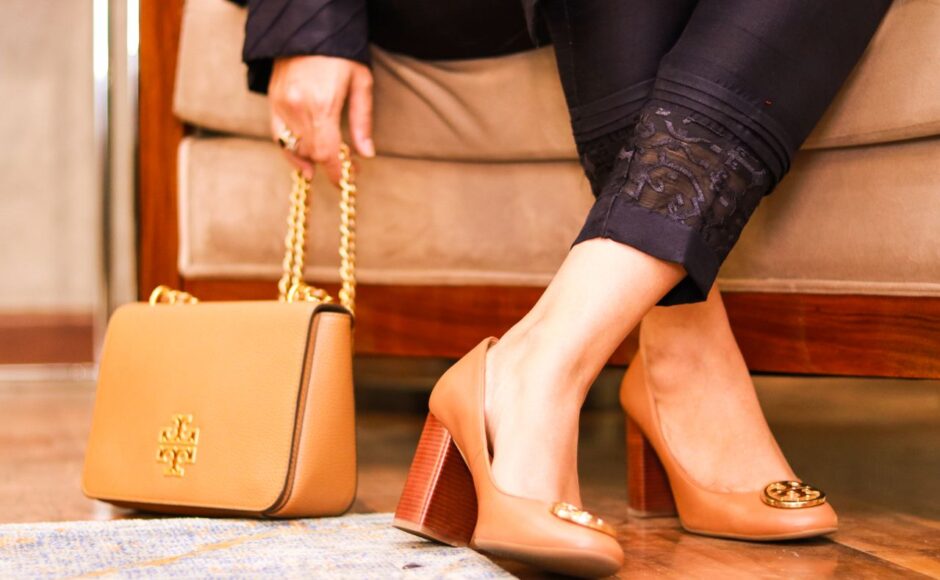
Ballet flats have returned as a popular choice for people who want something smarter than trainers without giving up too much comfort. Their simple shape makes them easy to wear from day to evening. Modern versions can include rounded toes, square toes, small straps or subtle details. Black and nude remain useful choices, while soft colours can bring a fresh feel to spring and summer outfits.
Best Thing to Wear: Try them with ankle-length trousers or a simple midi dress for a neat look.
Everyday Appeal: They are easy to slip on and can make even a basic outfit look more polished.
Loafers
Loafers continue to be a useful footwear choice because they sit somewhere between smart and casual. They can add a more polished finish to everyday outfits without looking too formal. Chunky soles are popular for a modern appearance, while slimmer designs offer a more traditional feel. Leather, suede and smooth finishes can all work well depending on the season.
Best Thing to Wear: Pair loafers with tailored trousers, jeans or a pleated skirt.
Style Benefit: They can make a relaxed outfit look more organised and put together.
Mary Jane Shoes
Mary Jane shoes are another classic style getting a fresh update. The recognisable strap across the foot gives them a charming and slightly vintage appearance.
They can be found in flat, low-heeled and platform versions, making them suitable for different preferences. They also work nicely with both casual and smarter clothing.
Best Thing to Wear: Wear them with a midi skirt, ankle socks and a simple top for a playful everyday outfit.
Fresh Detail: A chunky sole or unusual finish can give the traditional style a more modern feel.
Minimalist Trainers
For those who prefer a clean and simple wardrobe, minimalist trainers remain a strong option. Their plain designs can be worn with almost anything, making them one of the most practical footwear choices. White, off-white and beige are particularly easy to style. They can be worn with casual clothing but can also work with smarter outfits when the overall look is relaxed.
Best Thing to Wear: Team clean trainers with wide-leg trousers and a fitted jumper.
Why They Work: Their simple appearance allows the rest of your outfit to stand out without creating too much contrast.
Slingback Shoes
Slingback shoes offer a smart look while keeping the foot feeling less enclosed than with traditional closed shoes. The open back and strap give them a lighter appearance. They can be a good choice for work, dinners or occasions when trainers feel too casual. Low-heeled versions are particularly useful for everyday wear.
Best Thing to Wear: Style them with tailored trousers or a flowing midi skirt.
Easy Update: Choose a pair in a soft neutral shade if you want something that can be worn with several outfits.
Chunky Sandals
Chunky sandals bring a relaxed and practical feel to warm-weather outfits. Their thicker soles and wider straps can give simple summer clothing a little more character.
They are particularly useful for holidays, casual days out and weekend walks. Neutral colours are easy to match, while brighter shades can make a plain outfit more interesting.
Best Thing to Wear: Pair them with linen trousers, denim shorts or a relaxed summer dress.
Comfort Factor: Wider straps and supportive soles can make them a useful option for days when you are on your feet.
Kitten Heels
Kitten heels are ideal for anyone who likes a little height without wearing a high heel. Their low heel makes them more practical for everyday occasions while still giving an outfit a smarter finish. They can be found in pointed, rounded and slingback styles. Simple colours work well for regular wear, while patterned designs can add a little personality.
Best Thing to Wear: Wear them with straight trousers or a simple dress when you want a polished appearance.
Everyday Advantage: The lower heel can be easier to manage during long days compared with taller styles.
Metallic Footwear
Metallic shoes are a simple way to add something different to an everyday outfit. Silver, gold and soft metallic shades can brighten even a very basic combination. You do not need to wear bold clothing with metallic shoes. In fact, they often look best when paired with simple pieces that allow the footwear to become the main detail.
Best Thing to Wear: Try metallic flats or trainers with jeans and a plain knit.
Style Tip: Keep the rest of your accessories simple if you want the shoes to stand out.
Soft and Slouchy Boots
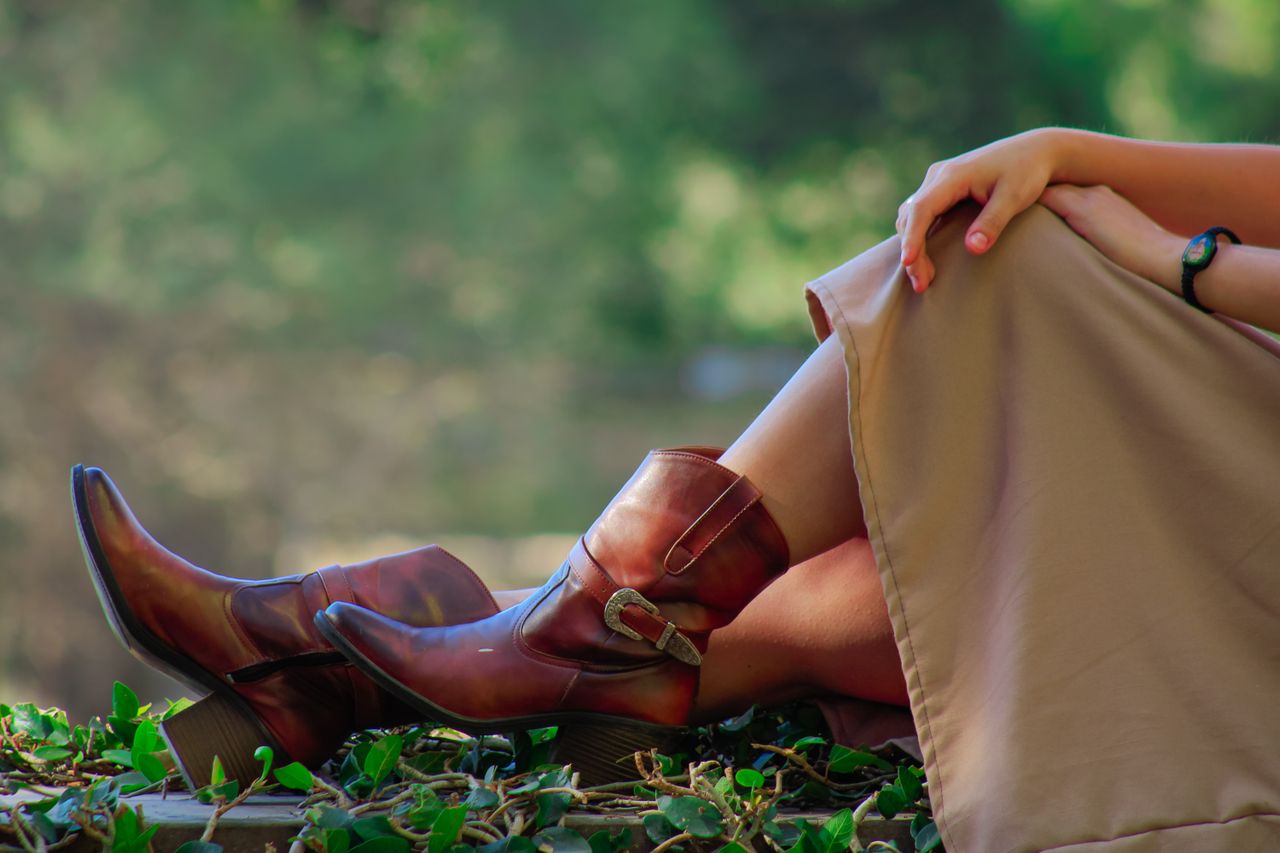
Soft boots with a relaxed shape are becoming a useful alternative to very structured footwear. Their comfortable appearance works particularly well with casual autumn and winter clothing. They can be worn with jeans, long skirts and knitted dresses. Brown, tan and black are versatile choices that can easily become part of an everyday wardrobe.
Best Thing to Wear: Style them with a knitted midi dress and a warm coat.
Seasonal Appeal: They add texture and warmth while still keeping an outfit relaxed.
FAQs
What footwear trend is easiest to wear every day?
Minimalist trainers are one of the easiest choices because they work with jeans, trousers, skirts and casual dresses.
Are ballet flats comfortable for long days?
They can be, although comfort depends on the shape, support and fit of the individual shoe. It is worth choosing a pair that feels secure when walking.
Can loafers be worn with jeans?
Yes. Loafers and jeans make a simple combination that works well for casual days, lunches and smart-casual settings.
Are metallic shoes suitable for everyday outfits?
Yes. A simple metallic flat or trainer can add interest to a basic outfit without making it look too dressy.
What shoes work well for changing seasons?
Loafers, ballet flats and soft boots can all work well during changing weather. The best choice depends on the temperature and the rest of your outfit.
Final Thoughts
Updating your footwear does not mean completely changing your wardrobe. Sometimes, adding one new pair can make familiar clothes feel fresh again. The current mix of classic designs and modern details gives you plenty of ways to experiment without making everyday dressing complicated.
Comfort is still an important part of choosing shoes, especially for pieces you plan to wear regularly. Look for styles that suit your routine, fit well and work with clothes you already own. Whether you prefer retro trainers, elegant flats, smart loafers or relaxed boots, there is no need to follow every trend. The best footwear trend is ultimately the one that feels right for you. Choose a few versatile styles that match your personal taste, and your everyday outfits can feel both comfortable and effortlessly stylish.
Read More →