

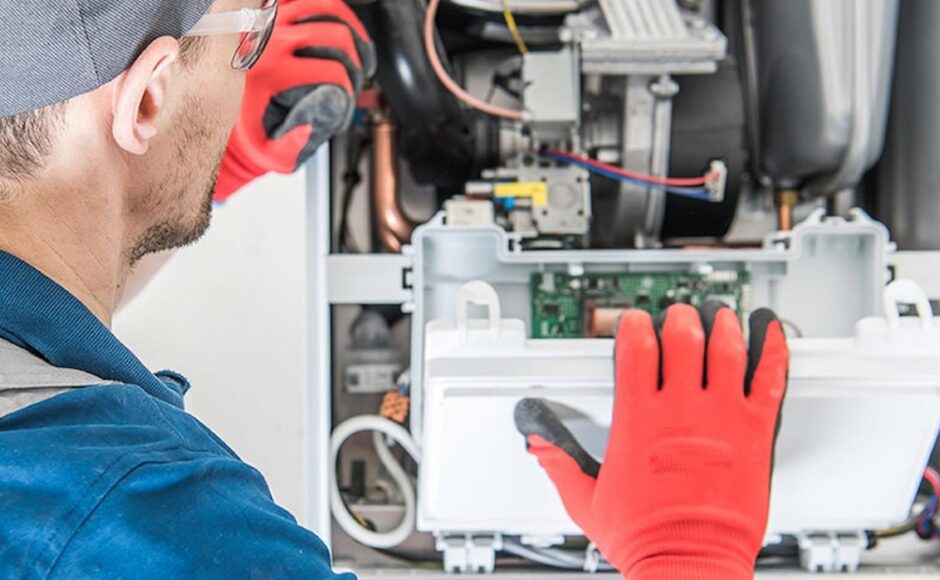
Home Furnace Maintenance Tips to Lower Energy Bills Fast

As the winter frost sets in across the country, managing household expenses becomes a top priority for every property owner. Heating costs represent the single largest energy drain during the cold season, often causing monthly budgets to stretch thin. Fortunately, keeping your home warm does not require a small fortune if you optimize your system. Taking a proactive approach to your equipment can quickly curb excessive resource consumption and secure professional results through timely heating service.

A furnace operating without seasonal upkeep faces extreme resistance, which directly forces the unit to consume extra fuel. Over time, internal components accumulate fine dust and soot, creating a physical barrier that slows down heat transfer. This friction causes the blower motor to pull more electricity to distribute warm air through your vents. Addressing these hidden issues early ensures your property stays cozy while keeping your hard-earned money in your wallet.

Prioritizing Airflow and Air Filter Replacement

The simplest home upkeep task that yields the fastest return on investment is changing your air filter. A clogged, dusty filter restricts the primary air stream, forcing the heat exchanger to retain dangerous levels of thermal energy. This restriction can cause the furnace to short-cycle, meaning it turns on and off too frequently without warming the rooms completely.

To maintain steady efficiency, check the condition of your filtration media at least once every thirty days during winter. Homes with indoor pets or high foot traffic may require more frequent swaps to keep the system breathing easily. By ensuring an open path for air circulation, you lower the workload on the internal blower fan and extend its lifespan.

  • Filter Type Selection: Choose pleated filters with an optimal MERV rating to capture allergens without choking your system.
  • Visual Inspection Routine: Hold your filter up to a bright light; if no light passes through, replace it immediately.
  • Directional Airflow Check: Always align the arrows on the filter frame with the actual direction of the air stream.
  • Vent Path Liberation: Keep large furniture items, heavy drapes, and storage boxes away from all supply and return registers.
  • Consistent Component Protection: Clean filters prevent thick dust from coating the delicate internal sensors and blower wheels.

Smart Thermostat Operation and Temperature Shifts

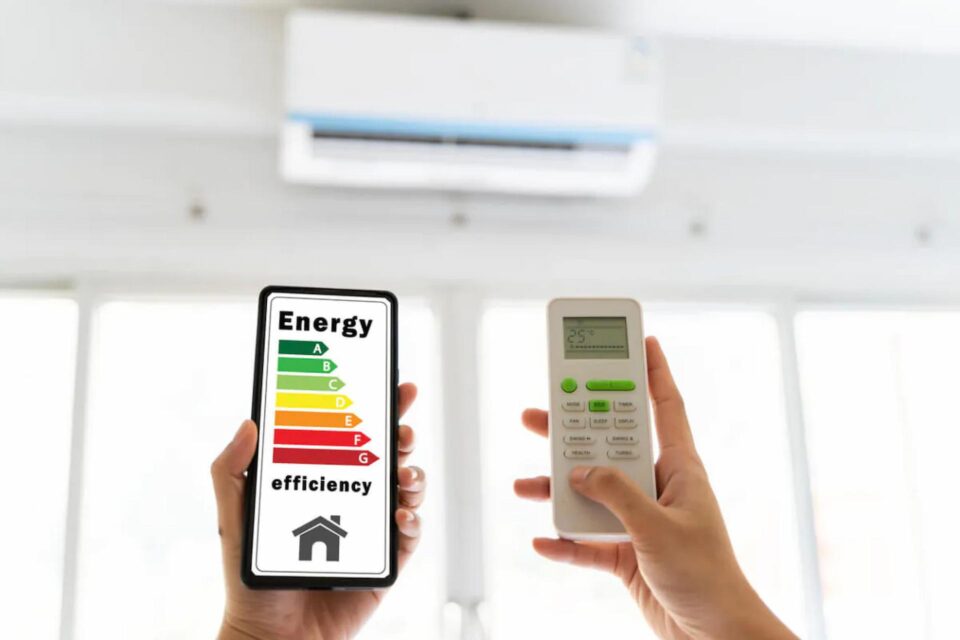
Investing in a programmable or smart thermostat is an excellent way to reduce utility consumption automatically. Leaving your heating system at a high temperature when the house is empty wastes incredible amounts of fuel. Lowering the setting by just a few degrees during your working hours can drop your winter power consumption substantially.

Many homeowners worry that reheating a cold structure uses more fuel than maintaining a constant warmth all day. However, studies show that saving energy over several hours easily offsets the power required to raise the temperature later. Modern smart controllers automate these adjustments, allowing you to establish efficient schedules that align perfectly with your actual daily routine.

The Role of Professional Tune-Ups and Equipment Inspections

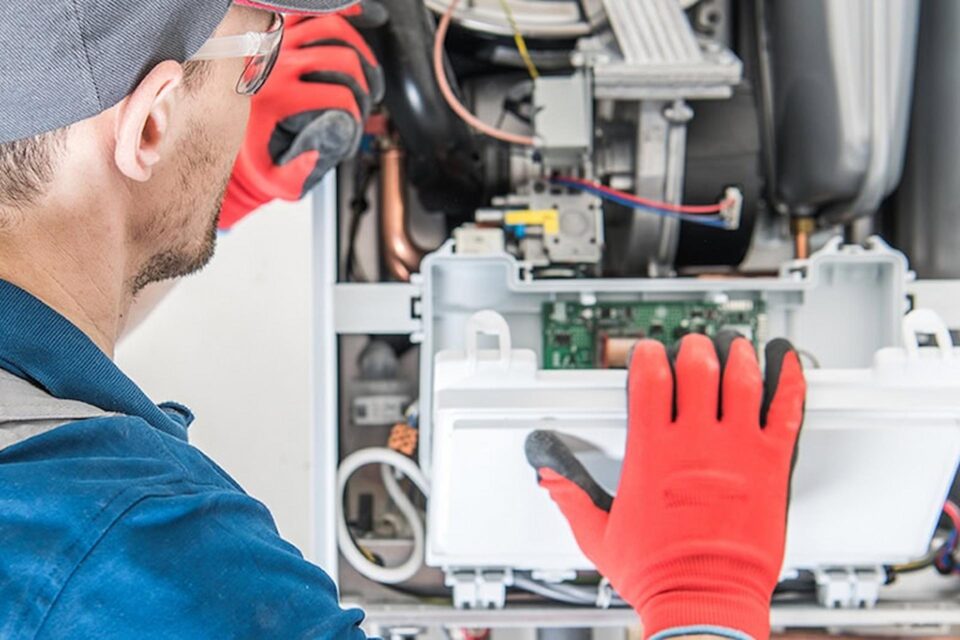
While daily observations are incredibly helpful, certain mechanical tasks require specialized diagnostic tools and training. Scheduling an annual inspection ensures that your fuel connections, electrical relays, and heat exchangers are fully checked. This professional oversight identifies hidden wear before it manifests as a total system failure on the coldest night of the year.

Relying on a certified technician for a comprehensive heating service guarantees that your system operates safely and legally under its manufacturer warranty. Experts check the venting paths for carbon monoxide hazards, clean the burners for a crisp blue flame, and lubricate dry bearings. This detailed care maximizes your operational efficiency and ensures your home comfort infrastructure works reliably all winter long.

Sealing the Building Envelope and Duct Network

A highly efficient furnace will still struggle if your home allows warm air to escape into the atmosphere. Thermal bridges around drafty window frames, uninsulated attic hatches, and exterior doors act as a constant drain on your energy economy. Inspecting these areas and applying fresh silicone caulk or weatherstripping keeps the heat right where it belongs.

  • Duct Joint Inspections: Look for loose connections or gaps in exposed ductwork located in basements or crawlspaces.
  • Mastic Sealing Application: Use professional mastic paste or foil tape to seal seams instead of standard cloth duct tape.
  • Attic Insulation Checks: Confirm your insulation levels completely cover the floor joists to prevent rising heat loss.
  • Basement Rim Joist Care: Fill small gaps along the foundation plate with expanding foam to block freezing ground drafts.
  • Door Sweep Upgrades: Install heavy-duty rubber sweeps on exterior doors to create a tight thermal seal.

Managing Internal Humidity for Enhanced Warmth

Dry winter air makes a room feel much colder than it actually is because moisture evaporates from your skin rapidly. By using a whole-home humidifier, you can maintain indoor humidity levels between thirty and fifty percent. This extra moisture allows you to set your thermostat slightly lower while enjoying the exact same level of physical comfort.

Consistent System Upkeep Extends Operational Lifespan

Every mechanical component has a finite operational lifespan, but neglect can shorten that window by several years. Forcing a furnace to run dirty causes internal temperatures to spike, which degrades the metal structure of the heat exchanger prematurely. Simple, consistent interventions ensure you extract maximum value from your heating investment before needing a complete system replacement.

Conclusion

Lowering your energy bills this winter requires a combination of smart operational habits, steady airflow management, and professional mechanical care. Swapping out your air filters regularly and sealing building drafts prevents unnecessary system strain. Embracing programmable technology and managing moisture levels allows you to achieve optimal home comfort at a fraction of the traditional cost. Ultimately, proactive furnace maintenance protects your financial resources, keeps your equipment running safely, and guarantees a warm, reliable indoor climate for your family throughout the harshest winter months.

Read More →

Share:

How Reno Homeowners Can Keep HVAC Systems Running Efficiently

Modern homeowners rely heavily on heating and cooling systems to maintain indoor comfort throughout the year. In a city like Reno, where temperatures can swing from dry summer heat to chilly winter nights, HVAC systems often work harder than people realize. Unfortunately, many households only think about maintenance once something breaks down. That reactive approach usually leads to higher energy bills, reduced comfort, and expensive repairs.

The good news is that improving HVAC efficiency does not require major upgrades overnight. Small maintenance habits, smarter usage patterns, and timely inspections can significantly improve performance while extending system lifespan. Homeowners who work with an experienced HVAC contractor in Reno, NV often find that preventative care saves money and prevents unnecessary stress over time.

Understand How Reno’s Climate Affects HVAC Performance

Reno’s semi-arid climate creates unique challenges for heating and cooling systems. Summers can become extremely hot and dry, while winter temperatures often dip low enough to place additional pressure on furnaces and heat pumps. Dust accumulation is another common issue because dry conditions allow particles to circulate more easily through vents and filters.

When HVAC systems continuously battle extreme outdoor temperatures, efficiency naturally declines if maintenance is neglected. Dirty filters, blocked airflow, or worn-out components force the equipment to work harder than necessary. That extra strain increases energy consumption and accelerates wear on important parts such as motors, compressors, and fans.

Homeowners who understand these regional conditions are usually better prepared to protect their systems before problems escalate.

Replace Air Filters Regularly

One of the simplest yet most effective ways to improve HVAC efficiency is to replace air filters consistently. Many homeowners underestimate how quickly filters collect dust, pet hair, pollen, and debris. Once clogged, airflow becomes restricted, causing the system to run longer to maintain desired temperatures.

Poor airflow does more than increase utility bills. It can also reduce indoor air quality and place stress on the entire HVAC system. In dry environments like Reno, airborne dust tends to accumulate faster than in more humid regions, making regular filter replacement especially important.

Most standard filters should be checked monthly and replaced every 1 to 3 months, depending on household conditions. Homes with pets, smokers, or allergy concerns may require more frequent changes.

Keep Outdoor Units Clean and Clear

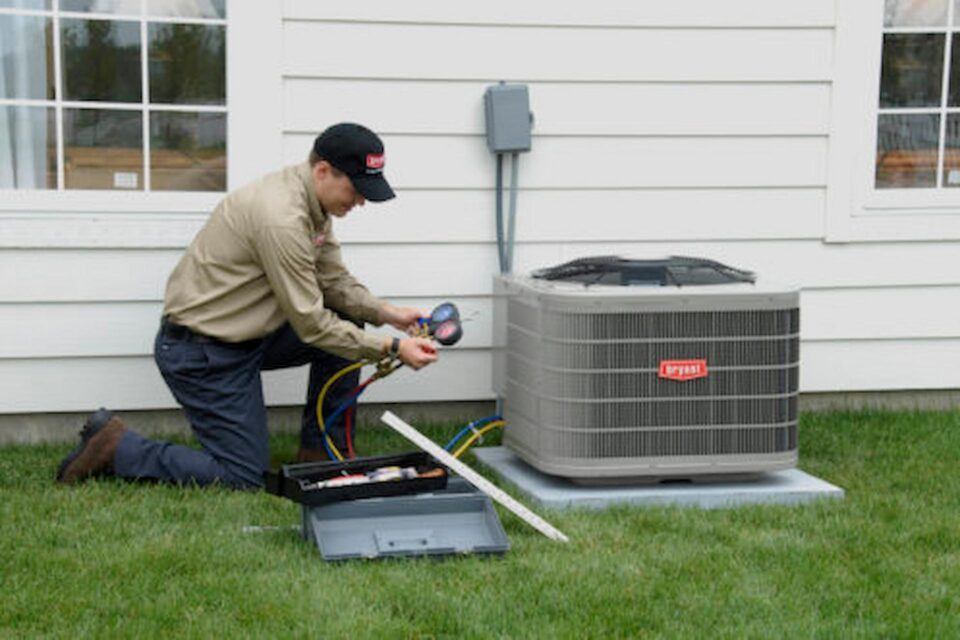
Outdoor HVAC units are constantly exposed to dirt, leaves, windblown debris, and seasonal weather changes. When airflow around the condenser becomes blocked, heat transfer efficiency drops dramatically.

Many homeowners accidentally reduce system performance by allowing shrubs, weeds, or storage items to crowd the unit. Even a layer of dust or debris on condenser coils can make cooling systems work harder during the summer months.

Keeping at least two feet of open space around the outdoor unit improves airflow and supports efficient operation. Gently rinsing coils and removing debris periodically also helps maintain performance without requiring complicated maintenance procedures.

Schedule Professional Maintenance Before Peak Seasons

Preventive maintenance remains one of the most reliable ways to keep HVAC systems operating efficiently year-round. Professional inspections allow technicians to identify small issues before they become major repairs.

Seasonal tune-ups typically include checking refrigerant levels, inspecting electrical components, cleaning coils, testing airflow, and calibrating thermostats. These steps help improve efficiency while reducing the likelihood of unexpected breakdowns during extreme weather.

Many homeowners delay service until performance noticeably declines. Unfortunately, by that stage, the system may already be experiencing avoidable wear and tear. Working with a trusted HVAC contractor in Reno, NV before summer and winter peaks can help homeowners stay ahead of costly problems.

Use Smart Thermostats Strategically

Smart thermostats have become increasingly popular because they help homeowners manage energy use more effectively without sacrificing comfort. These devices automatically adjust temperatures based on occupancy patterns, schedules, and preferences.

For example, reducing cooling demand while residents are away during the day can significantly lower monthly energy costs. Smart thermostats also provide detailed energy usage insights that help homeowners identify inefficient habits.

Research from the United States Department of Energy suggests that adjusting thermostat settings for 8 hours a day can reduce heating and cooling costs by up to 10 percent annually. Small adjustments may not seem dramatic at first, but the savings accumulate over time.

Seal Air Leaks Around the Home

Even the most efficient HVAC system struggles when conditioned air escapes through gaps and leaks. Many Reno homes lose energy through poorly sealed windows, attic spaces, doors, and ductwork.

When cooled or heated air escapes, the HVAC system must run longer to maintain indoor temperatures. That extra runtime increases energy usage and shortens equipment lifespan.

Simple improvements such as weather stripping, caulking gaps, and adding insulation can dramatically improve energy retention. Sealing duct leaks is particularly important because damaged ducts may lose a surprising amount of airflow before it reaches living spaces.

Improved insulation not only supports HVAC efficiency but also creates more consistent indoor comfort throughout the home.

Avoid Overworking the System

Many homeowners unintentionally overwork their HVAC systems through unrealistic thermostat settings or poor airflow management. Setting the thermostat too low in summer does not cool the house any faster. It simply forces the system to operate longer.

Closing too many vents can also create pressure imbalances that reduce airflow efficiency. HVAC systems are typically designed to distribute air evenly throughout the home. Blocking vents disrupts that balance and may unnecessarily strain components.

Using ceiling fans, closing curtains during hot afternoons, and reducing indoor heat sources can all help lessen HVAC workload naturally.

Pay Attention to Warning Signs

Efficient HVAC systems usually operate quietly and maintain consistent temperatures. Sudden changes often indicate developing problems that should not be ignored.

Common warning signs include uneven temperatures, unusual noises, rising utility bills, weak airflow, unpleasant odors, or systems cycling on and off too frequently. Addressing these symptoms early often prevents larger mechanical failures later.

Ignoring minor issues rarely saves money. In many cases, small repairs become far more expensive once damage spreads to additional components.

Conclusion

Keeping an HVAC system running efficiently is less about quick fixes and more about consistent care. Reno homeowners face unique climate conditions that place additional demands on heating and cooling equipment throughout the year. Fortunately, proactive maintenance, smarter energy habits, and regular inspections can dramatically improve system performance and reliability.

Simple actions such as replacing filters, sealing leaks, scheduling seasonal tune-ups, and using smart thermostats can reduce energy costs while extending equipment lifespan. When homeowners invest in preventative care rather than reactive repairs, they create a more comfortable, healthier, and cost-effective living environment for the long term.

Read More →
Share:

Everything You Need for Professional Business Registration in 2026

Starting a business in 2026 feels exciting, but it can also feel overwhelming. One moment you are dreaming about your brand name and future clients, and the next you are buried under forms, tax details, compliance rules, and legal paperwork. The good news is that business registration has become faster, smarter, and more digital than ever before.

Read More →
Share: