As the winter frost sets in across the country, managing household expenses becomes a top priority for every property owner. Heating costs represent the single largest energy drain during the cold season, often causing monthly budgets to stretch thin. Fortunately, keeping your home warm does not require a small fortune if you optimize your system. Taking a proactive approach to your equipment can quickly curb excessive resource consumption and secure professional results through timely heating service.
A furnace operating without seasonal upkeep faces extreme resistance, which directly forces the unit to consume extra fuel. Over time, internal components accumulate fine dust and soot, creating a physical barrier that slows down heat transfer. This friction causes the blower motor to pull more electricity to distribute warm air through your vents. Addressing these hidden issues early ensures your property stays cozy while keeping your hard-earned money in your wallet.
Prioritizing Airflow and Air Filter Replacement
The simplest home upkeep task that yields the fastest return on investment is changing your air filter. A clogged, dusty filter restricts the primary air stream, forcing the heat exchanger to retain dangerous levels of thermal energy. This restriction can cause the furnace to short-cycle, meaning it turns on and off too frequently without warming the rooms completely.
To maintain steady efficiency, check the condition of your filtration media at least once every thirty days during winter. Homes with indoor pets or high foot traffic may require more frequent swaps to keep the system breathing easily. By ensuring an open path for air circulation, you lower the workload on the internal blower fan and extend its lifespan.
- Filter Type Selection: Choose pleated filters with an optimal MERV rating to capture allergens without choking your system.
- Visual Inspection Routine: Hold your filter up to a bright light; if no light passes through, replace it immediately.
- Directional Airflow Check: Always align the arrows on the filter frame with the actual direction of the air stream.
- Vent Path Liberation: Keep large furniture items, heavy drapes, and storage boxes away from all supply and return registers.
- Consistent Component Protection: Clean filters prevent thick dust from coating the delicate internal sensors and blower wheels.
Smart Thermostat Operation and Temperature Shifts
Investing in a programmable or smart thermostat is an excellent way to reduce utility consumption automatically. Leaving your heating system at a high temperature when the house is empty wastes incredible amounts of fuel. Lowering the setting by just a few degrees during your working hours can drop your winter power consumption substantially.
Many homeowners worry that reheating a cold structure uses more fuel than maintaining a constant warmth all day. However, studies show that saving energy over several hours easily offsets the power required to raise the temperature later. Modern smart controllers automate these adjustments, allowing you to establish efficient schedules that align perfectly with your actual daily routine.
The Role of Professional Tune-Ups and Equipment Inspections
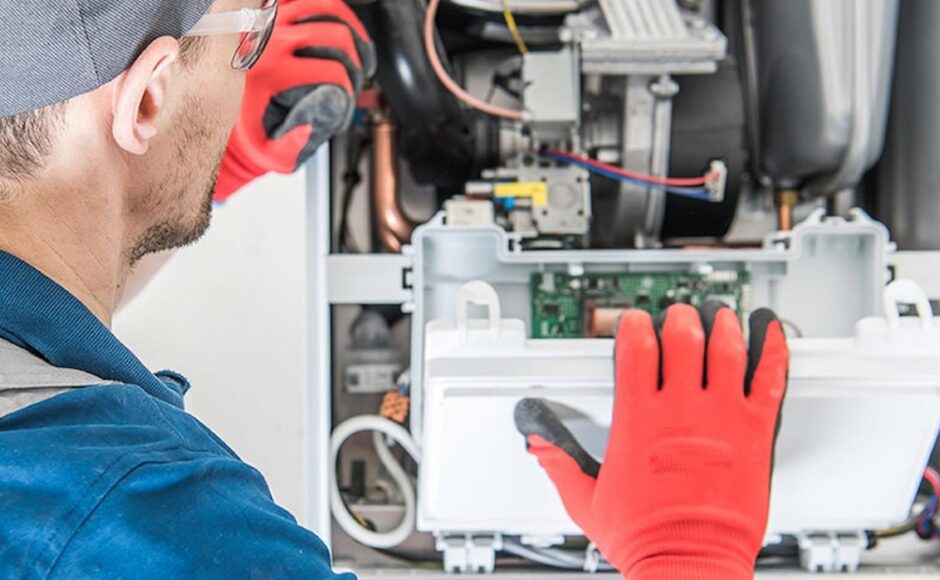
While daily observations are incredibly helpful, certain mechanical tasks require specialized diagnostic tools and training. Scheduling an annual inspection ensures that your fuel connections, electrical relays, and heat exchangers are fully checked. This professional oversight identifies hidden wear before it manifests as a total system failure on the coldest night of the year.
Relying on a certified technician for a comprehensive heating service guarantees that your system operates safely and legally under its manufacturer warranty. Experts check the venting paths for carbon monoxide hazards, clean the burners for a crisp blue flame, and lubricate dry bearings. This detailed care maximizes your operational efficiency and ensures your home comfort infrastructure works reliably all winter long.
Sealing the Building Envelope and Duct Network
A highly efficient furnace will still struggle if your home allows warm air to escape into the atmosphere. Thermal bridges around drafty window frames, uninsulated attic hatches, and exterior doors act as a constant drain on your energy economy. Inspecting these areas and applying fresh silicone caulk or weatherstripping keeps the heat right where it belongs.
- Duct Joint Inspections: Look for loose connections or gaps in exposed ductwork located in basements or crawlspaces.
- Mastic Sealing Application: Use professional mastic paste or foil tape to seal seams instead of standard cloth duct tape.
- Attic Insulation Checks: Confirm your insulation levels completely cover the floor joists to prevent rising heat loss.
- Basement Rim Joist Care: Fill small gaps along the foundation plate with expanding foam to block freezing ground drafts.
- Door Sweep Upgrades: Install heavy-duty rubber sweeps on exterior doors to create a tight thermal seal.
Managing Internal Humidity for Enhanced Warmth
Dry winter air makes a room feel much colder than it actually is because moisture evaporates from your skin rapidly. By using a whole-home humidifier, you can maintain indoor humidity levels between thirty and fifty percent. This extra moisture allows you to set your thermostat slightly lower while enjoying the exact same level of physical comfort.
Consistent System Upkeep Extends Operational Lifespan
Every mechanical component has a finite operational lifespan, but neglect can shorten that window by several years. Forcing a furnace to run dirty causes internal temperatures to spike, which degrades the metal structure of the heat exchanger prematurely. Simple, consistent interventions ensure you extract maximum value from your heating investment before needing a complete system replacement.
Conclusion
Lowering your energy bills this winter requires a combination of smart operational habits, steady airflow management, and professional mechanical care. Swapping out your air filters regularly and sealing building drafts prevents unnecessary system strain. Embracing programmable technology and managing moisture levels allows you to achieve optimal home comfort at a fraction of the traditional cost. Ultimately, proactive furnace maintenance protects your financial resources, keeps your equipment running safely, and guarantees a warm, reliable indoor climate for your family throughout the harshest winter months.