
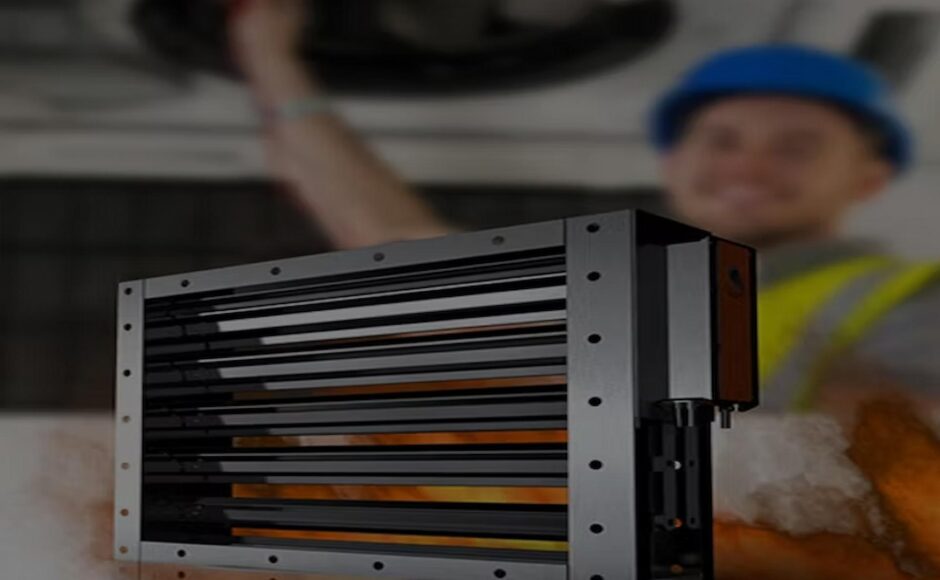
Fire safety in commercial and residential buildings depends on far more than alarms and sprinklers. Hidden deep inside your ductwork lies one of the most overlooked but essential components of passive fire protection – fire dampers.
When a fire breaks out, these devices automatically close to stop flames and smoke from spreading through ventilation systems. But for them to work when it matters most, regular fire damper testing and inspection are absolutely critical.
This is why understanding what fire dampers are and how they work is essential for anyone responsible for building safety. In this blog, we break down the key testing requirements, explain the relevant regulations, outline best practices, and guide you through the testing process step-by-step.
Why Fire Damper Testing Matters
Fire dampers are mechanical devices, which means they rely on physical movement to function. Dust buildup, corrosion, obstruction, or poor installation can all prevent a damper from closing properly. Unfortunately, these issues often go unnoticed until an emergency happens.
Testing ensures that:
- The damper closes fully and without resistance
- Fusible links or actuation components operate properly
- There are no obstructions in the duct or access points
- The device is installed in accordance with relevant codes
A failed fire damper can allow fire and smoke to move through ductwork in minutes, turning what could have been a contained incident into a building-wide emergency. When this happens, not only is the structure itself and its contents put at risk of extensive damage, but the safety of everyone inside the building is also compromised.
Key Regulatory Requirements
Fire damper testing is governed by clear safety standards to ensure each device performs properly during a fire. Although specific rules vary between regions, most jurisdictions follow recognised codes such as NFPA 80, NFPA 105, or equivalent national fire safety standards. These regulations set out how often dampers must be tested, how they should be accessed, and what records need to be kept.
Typical requirements include:
- Initial testing after installation to verify the damper operates correctly in its installed position
- Routine periodic testing – generally every 4 years in most buildings and every 6 years in hospitals
- Clear and accessible inspection pathways so technicians can reach each damper safely
- Detailed documentation and reporting after each inspection to record condition, results, and corrective actions
Following these requirements is essential for maintaining effective fire protection and ensuring the system performs as designed. Non-compliance can lead to legal liabilities, insurance complications, and increased risk to both property and occupants in the event of a fire.
How Fire Damper Testing Is Performed
Professional fire damper testing follows a structured and methodical process designed to confirm that each device can operate correctly in the event of a fire.
- Locate and Access the Damper – Technicians use drawings, duct maps, or access panels to reach each fire damper. If no access exists, then one must be created.
- Visually Inspect the Components – Technicians carefully examine the fire damper and surrounding ductwork for any signs of issues that could prevent proper operation. They check for rust, debris, misalignment, bent blades, loose hardware, damaged frames, or anything obstructing movement. Even a small buildup of dust or a slightly twisted blade can stop a damper from closing fully, so this step must be meticulous.
- Manually Test the Damper Operation – The damper is released either by removing the fusible link or activating the mechanism to ensure it closes fully and smoothly. Any sticking, bending, or partial closing is a sign of failure.
- Check the Fusible Link – Fusible links must be the correct temperature rating and free from paint, corrosion, or damage. They should always be replaced after testing, not reinstalled.
- Verify Proper Resetting – After the test, the damper is reset into the open position and secured according to the manufacturer’s instructions.
- Document Everything – Technicians log the condition, operation results, any defects, and corrective actions needed. Clear documentation is essential for compliance and future inspections.
Common Issues Found During Fire Damper Testing
Fire damper inspections often uncover hidden problems that can significantly affect how well the system performs during an emergency. Many of these issues develop gradually over time and can easily go unnoticed without regular testing, making thorough inspections essential for maintaining fire safety.
Some of the most frequent issues identified include:
- Dampers blocked by duct liners, cables, or debris
- Rusted or seized blades
- Incorrect or missing fusible links
- Poor installation, including misaligned frames
- Damaged springs that prevent proper closing
Identifying these problems early greatly reduces the likelihood of damper failure during an actual fire, helping to protect the building, safeguard escape routes, and ensure occupants have the time they need to evacuate safely.
Best Practices for Reliable Fire Damper Performance
To keep your building compliant, safe, and fully protected, it’s important to follow industry recognised best practices that help ensure each fire damper operates as intended. Consistency in maintenance and documentation can make a significant difference in how effective your passive fire protection system is during an emergency.
Key best practices include:
- Schedule routine inspections based on national or local fire codes to ensure dampers are tested at the correct intervals.
- Ensure all dampers have accessible panels so inspectors can reach them safely and perform a complete evaluation.
- Work with certified professionals who have the right training and understand both HVAC systems and fire protection standards.
- Maintain accurate records of every test, repair, and replacement to demonstrate compliance and track long-term performance.
- Address defects immediately, as even a single faulty damper can compromise an entire fire compartment and greatly increase fire spread.
By consistently applying these practices, building owners and managers can significantly improve the reliability of their fire protection systems. This not only strengthens overall safety but also ensures smoother inspections, reduced liability, and peace of mind knowing the building is better prepared for emergency situations.
Why Your Building Can’t Afford to Skip Fire Damper Testing
Fire damper testing may not be the most visible part of building maintenance, but it is undeniably one of the most important. By understanding the requirements, knowing how testing works, and following industry best practices, building owners can significantly reduce fire risks and stay fully compliant with safety regulations.
Regular fire damper testing isn’t just a code requirement, it’s a life-saving necessity. If it’s been more than a few years since your last inspection, now is the perfect time to schedule a professional test and ensure your building’s fire protection system is ready for anything.