
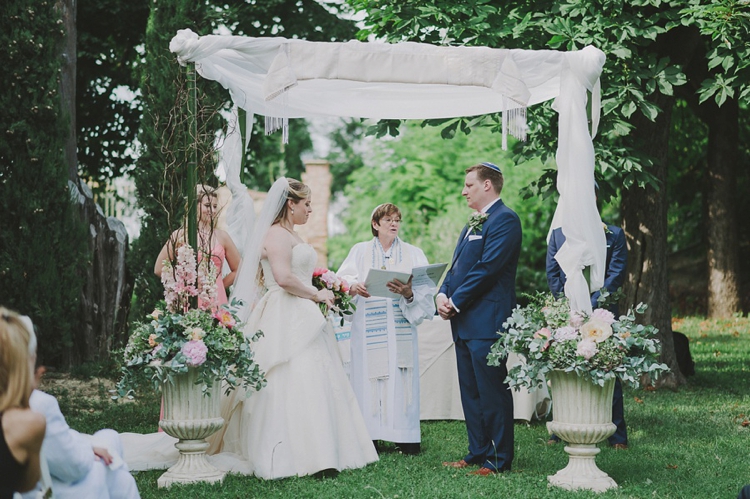
Wedding Traditions From Around The World

Marriage ceremonies take place every day all around the world, but not all ceremonies are as would expect them to be here in the UK. Here are some weird and wonderful wedding traditions from across the globe. Maybe you like one so much, you could incorporate it into your own wedding ceremony:

In the Philippines, traditional wedding ceremonies feature some rather adorable feathered friends. The bride and groom release two doves after the vows, which represent hope for a long and peaceful life together in matrimony. Check with your venue to see if such an event could take place. For stunning Hotel Wedding Venues in Gloucestershire, 

In Italy, confetti didn’t traditionally mean small scraps of paper thrown at the happy couple, but rather small sugary treats, mostly sugared almonds, that is common to be given as wedding favors to the guests. Modern Italian weddings have now introduced ‘coriandoli’, small scraps of paper like our confetti. 

San-san-kudo in Japan means the traditional sharing of sake at a wedding ceremony. The couple marrying each other takess several sips from each of the three sake cups, with the parents following suit. It’s a symbol of binding families together.

Fancy getting a sweat on at your ceremony? Couples in Germany must prove their ability to work together by sawing a log in half in front of the wedding guests! It is meant to represent a couple working together to overcome life’s obstacles. Phew!

A strange gift is being presented to the groom’s mother-in-law in Korea. According to Korean tradition, the groom must give her wild ducks or geese. As these animals are monogamous in life, they are used to represent the groom’s good intentions and loyalty. Thankfully, in modern ceremonies, the real animals have been replaced with wooden replicas! 

Deliciously sounding croquembouches are served at French weddings. This is a tower of cream-filled pastries dipped in sweet sauces instead of a wedding cake. They look amazing as a centrepiece when decorated with fruits, glazes, and nuts. A rather less appealing tradition is that of ‘La Soupe’. Food leftovers are mixed together in a bowl, which the couple must eat as a sign of good luck!


This tradition sounds like fun – Indian brides’ sisters steal the groom’s shoes as he enters the ceremony, and he must bribe the sisters for the return of his footwear before he is allowed to leave. 

This is one tradition you definitely want to avoid. In a traditional Kenyan ceremony, when the newlyweds leave the village, the bride’s father must spit on the top of his daughter’s head and then the chest so as not to invite bad fortune upon them! 

At a wedding reception in Guatemala, a white bell is filled with rice and flour and broken as the newlyweds enter the party. It is a symbol of good luck, wealth, and happiness. 

A beautifully romantic tradition is found after wedding ceremonies have taken place in South Africa. The parents of both the bride and groom take fire from the fireplace of their own homes and take it to the new abode of the newlywed couple. The couple then use these flames to light the fireplace in their married home together.
Read More →

Replies: 0 / Share:

The Nuclear War Films That Everyone Should Watch

Nuclear war, a topic that was put largely to the back of people’s minds as the 1980s drew to a close and the Berlin Wall fell, has once again reared its ugly head – Donald Trump’s cavalier approach to using nuclear weapons, the casual threatening of ‘fire and fury’, North Korea refusing to put a stop to its nuclear weapons program—all of this has pushed the threat back to the front of everyone’s minds once again. It is no surprise that people are investing in underground bunkers and looking for a good online outdoor survival store so they can head for the hills at a moment’s notice. The recent move of the Doomsday clock’s hands is the closest the world has been to Armageddon since the Cuban Missile Crisis in 1962. It is a dangerous world that we live in if people have forgotten the lessons that history has taught us within living memory – so maybe it is time to dig these films out of the archives and remember the horror of what nuclear war actually looks like….

The War Game 1962 Written and directed by Peter Watkins in 1967, this film was originally made to be shown on the BBC but was banned at the last minute amidst worries that the film might cause upset to the public. At the time, many people didn’t understand the harsh realities of the bomb and how it would affect the world differently from the Second World War. The film itself is a documentary-style film set in Kent, showing how poorly prepared Britain was for nuclear war and with some truly horrifying scenes. This film still packs a punch today, as you will realize that we are no better prepared than we were in 1967 for this horrific event.

When the Wind Blows Better known for the classic festive film ‘The Snowman,’ Raymond Briggs turns his attention to nuclear war in this superbly animated tale about an adorable old couple, following the ‘protect and survive’ government leaflet when nuclear war breaks out in Britain. Sometimes funny, but mostly tragic, it focuses on the everyday lives of a ‘normal’ old couple in Britain, desperately trying to understand the new world that is unravelling before their eyes. It will certainly draw a tear to your eye.

Threads: The film that is head and shoulders above them all, you will never forget it! Barry Hines and Mick Jackson’s horrific portrayal of nuclear war breaking out in Sheffield was first shown in 1984, and the night it was shown was dubbed ‘the night the nation didn’t sleep’. There is not one film closer to the reality of nuclear war than this one. Painstakingly researched, Jackson and Hines spoke to scientists, psychiatrists, and military experts to ensure that this film was as real as they came—and it really is. One word of advice: don’t watch before bed!

Read More →
Replies: 0 / Share:

Stay Warm And Well This Winter

With all the news reports about a flu epidemic this winter, it’s important to stay warm and well. If our homes aren’t insulated enough, could we be letting in cold air that could be damaging to our health? There are some health issues, such as asthma and sore throat which can be are triggered or made worse by cold weather. Here are some ways the cold affects our well-being:


Asthma

Wintery cold air is one of the main triggers of asthma symptoms, including shortness of breath and wheezing. It’s important that those with asthma take extra care in the colder months.It’s best to stay inside on those terribly chilly and gusty days. If going out is unavoidable, then wear a loose scarf over your mouth and nose to keep your temperature up.Always keep your inhaler with you and stay on top of taking your regular medication.

Joint Pain


Those suffering with arthritis complain of increased discomfort and stiffness during the colder months. There is no scientific evidence that shows weather change as having any negative impact on joint, but it is still experienced by those with the condition. It could be that those who get down in the winter months feel any medical condition more acutely. Some gentle daily exercise is great for mood-boosting and joints. Swimming is highly recommended as it’s kind on the joints.

Heart attacks

Did you know that heart attacks are more common during the winter? It is thought this might be caused by colder weather increasing blood pressure, therefore putting additional strain on the heart muscle. Trying to stay warm and maintain body heat also makes your heart work harder than normal. Ensure your home is insulated and warmed to at least 18 °C. If you think you’d benefit from new double glazing, contact a Double Glazing Company in Gloucester, like

Dry skin

Dry skin is an extremely common issue during winter when it’s cold and humidity is low. It’s important to regularly moisturize to keep your skin from becoming too dry and cracking. Moisturizing creams and lotions work to seal in your skin’s natural moisture and prevent it from evaporating. Applying lotions and creams straight after a shower or bath is the ideal time as your skin is still damp. Avoid having your water too hot, as this can further irritate dry skin, causing itchiness.

Cold extremities

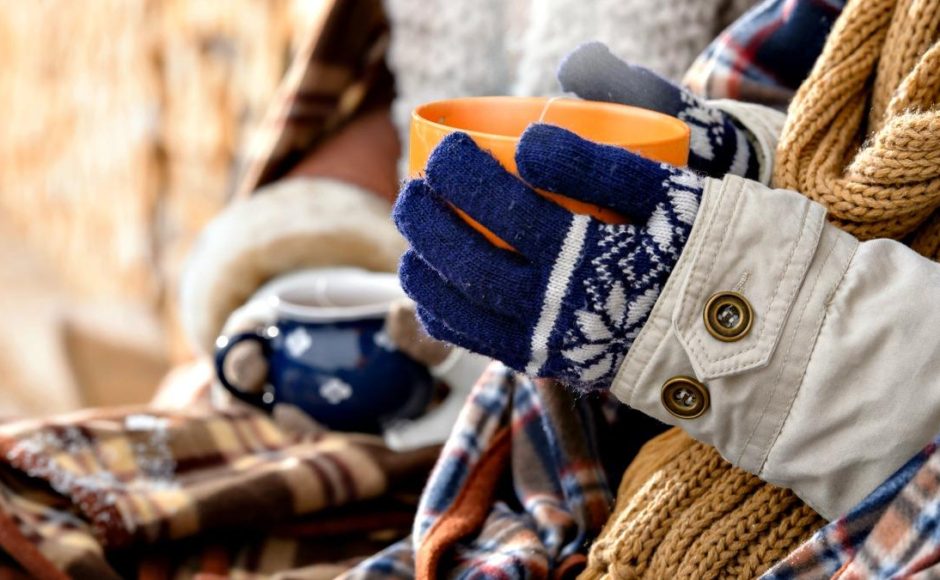
One cold weather condition is called Raynaud’s phenomenon, the symptoms of which include toes and fingers changing colour when exposed to the cold.The toes and fingers can become painful, turning from white to blue, then red. Due to blood vessels spasming, the blood flow is reduced to your hands and feet, resulting in a tingling or throbbing sensation. If you suffer from this condition, be sure to always wear gloves and warm shoes when going out in the cold. Smoking and caffeine can worsen the condition, so try to avoid both if you can.

Read More →

Replies: 0 / Share: