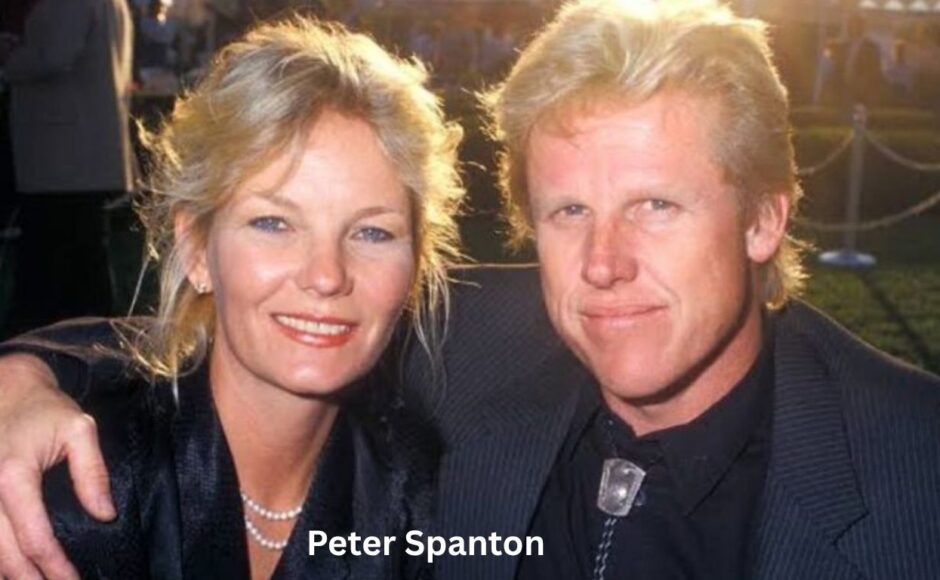

Peter Spanton: Restaurant and Drink Pioneer

Peter Spanton is a British entrepreneur and hospitality figure whose career has covered some fascinating chapters. While he is often mentioned because of his marriage to broadcaster Janet Street-Porter, his own achievements tell a much broader story. From creating a popular Clerkenwell restaurant during London’s changing food scene to developing premium alcohol-free drinks before they became widely recognised, Spanton has built a career based on creativity and understanding people.

His journey is not simply about restaurants or beverages. It is also a story of personal change, determination, and the ability to turn difficult experiences into new opportunities. Over several decades, he has shown a strong instinct for recognising what people want, whether that means a welcoming restaurant atmosphere or a sophisticated drink that offers an alternative to alcohol.

Away from the spotlight, Peter Spanton has remained focused on his work and personal values. His career reflects the changing nature of British hospitality and the growing importance of choice, quality, and experience.

Early Years and Personal Background

Peter Spanton has always maintained a private approach when it comes to his early life. While public records suggest that he was born in Britain in January 1955, there is limited information available about his childhood, education, and family background.

Unlike many people connected to public figures, Spanton has never actively shared details about his personal history. His attention has mainly been on his professional projects rather than building a public profile.

Although his early years remain largely private, stories connected to his later work suggest that traditional British pub culture played a role in shaping his understanding of hospitality. Memories linked to classic drinks, social gatherings, and the importance of conversation appear to have influenced his appreciation for flavour and atmosphere.

These early impressions later became important parts of his career, helping him develop a unique approach to both restaurants and drinks.

Finding His Place in Hospitality

Peter Spanton’s entry into the hospitality industry was based on experience rather than a traditional career route.

Instead of following a typical path through formal culinary training or working for large restaurant groups, he developed his knowledge by observing customers and understanding what made places feel special.

For Spanton, hospitality was never only about serving food. He believed that the complete experience mattered. The surroundings, service, mood, and connection between people all contributed to whether guests wanted to return.

This belief became central to his approach.

He saw restaurants as more than businesses. They were places where people gathered, celebrated, relaxed, and created memories. This focus on human connection helped shape the identity of the venues he later created.

The Launch of Vic Naylor’s in Clerkenwell

In 1986, Peter Spanton opened Vic Naylor’s, a restaurant and bar on St John Street in Clerkenwell, London.

At that time, Clerkenwell was not yet the fashionable area known today for restaurants, creative studios, and design companies. Much of the neighbourhood still had an industrial character, with warehouses and workshops forming a major part of the landscape.

Opening an independent restaurant in the area required confidence and a willingness to take risks.

Spanton recognised potential where others saw uncertainty.

Rather than copying the traditional style of London restaurants at the time, Vic Naylor’s developed its own personality. The venue offered a relaxed environment with a distinctive atmosphere that encouraged guests to stay longer and enjoy the experience.

The restaurant was not built around formality. It was built around comfort, character, and connection.

How Vic Naylor’s Became a London Favourite

During the late 1980s and 1990s, London’s dining culture was changing. Independent restaurants were becoming increasingly important, especially in areas that were beginning to attract creative communities.

Vic Naylor’s became part of this movement.

The restaurant gained popularity through reputation rather than large-scale promotion. People visited because they heard about the atmosphere, the friendly service, and the feeling that the venue had its own identity.

Spanton understood that customers were looking for more than a meal. They wanted somewhere with personality.

This approach helped Vic Naylor’s stand apart from restaurants that focused only on appearance or luxury. Its success came from creating a genuine experience where people felt comfortable returning again and again.

A Different Approach to Running a Restaurant

Peter Spanton was known for being involved in the daily life of his restaurant rather than operating from a distance.

He paid attention to guests, understood the mood of the room, and recognised the importance of small details that shaped the overall experience.

His belief was simple: people remember how a place makes them feel.

This idea became one of the strongest parts of Vic Naylor’s identity.

The restaurant’s appeal was not only about the menu. It was about the conversations, friendships, and moments created inside the space.

This people-focused approach helped establish Spanton as a restaurateur who understood the emotional side of hospitality.

Becoming a Meeting Place for London’s Creative Community

As London’s creative scene expanded during the 1990s, Vic Naylor’s became known as a place where artists, writers, designers, and media professionals could gather.

The restaurant was never designed as a celebrity destination. Its popularity came naturally from the welcoming environment Peter Spanton created. People were attracted to the relaxed atmosphere, friendly service, and sense that the restaurant felt different from more formal dining spaces.

Over time, Vic Naylor’s became connected with several important names from Britain’s art world, including Tracey Emin, Sarah Lucas, and the Chapman Brothers.

There have also been reports that filmmaker and artist Sam Taylor-Johnson worked at the restaurant before becoming widely recognised.

These connections reflected the restaurant’s genuine place within London’s cultural world. It was not about creating a fashionable image. Instead, it became popular because creative people naturally felt comfortable there.

Why Vic Naylor’s Became More Than a Restaurant

The success of Vic Naylor’s was not based only on the people who visited. Its reputation came from the experience it offered.

At a time when some restaurants focused heavily on exclusivity, Spanton created a venue that felt open and welcoming. Customers could enjoy good food, interesting conversations, and a relaxed environment without feeling that they needed to fit a certain image.

Regular visitors often recommended the restaurant to friends, helping its reputation grow through personal recommendations.

The restaurant also played a small but meaningful role in Clerkenwell’s transformation. Independent businesses like Vic Naylor’s helped show the potential of the area before it became one of London’s most popular creative neighbourhoods.

The Challenges Behind Hospitality Success

While running a successful restaurant brought recognition and satisfaction, it also came with pressure.

The hospitality industry has long been associated with demanding schedules, late nights, and social drinking. During the 1980s and 1990s, alcohol was deeply connected with restaurant culture, with many industry professionals spending long hours surrounded by drinks and social events.

For Peter Spanton, this environment eventually became difficult to manage.

What began as part of his professional lifestyle gradually developed into a serious personal struggle. The same industry that helped build his career also exposed him to habits that affected his health and wellbeing.

Recognising the problem became an important moment in his life.

Peter Spanton’s Recovery Journey

Peter Spanton has openly discussed his experience with alcoholism and the impact it had on his life.

Rather than hiding this part of his story, he chose to speak about it honestly. He explained that years spent working in hospitality had made excessive drinking feel normal until he realised it was affecting his future.

In 1999, Spanton made the decision to seek professional support and entered treatment at The Priory, a well-known rehabilitation centre.

The process of recovery required significant personal change. It involved accepting the problem, rebuilding daily habits, and creating a healthier relationship with life.

For Spanton, recovery became more than leaving alcohol behind. It changed the way he viewed social occasions, hospitality, and the role drinks play in people’s lives.

This experience later became a major influence on the next stage of his career.

Janet Street-Porter and Their Relationship

Around the time Peter Spanton was rebuilding his life, he began a relationship with journalist and broadcaster Janet Street-Porter.

Street-Porter was already a familiar name in British media, known for her work in newspapers, television, and publishing. Despite coming from different professional backgrounds, the pair developed a strong connection based on shared experiences and mutual support.

According to Spanton, Street-Porter encouraged him during his recovery and supported him through a challenging period.

Their relationship grew away from constant public attention. Rather than focusing on publicity, they built a partnership based on companionship, humour, and understanding.

Over the years, they became known as a couple who valued their private life while maintaining a strong connection.

Seeing a Gap in the Drinks Industry

After becoming sober, Peter Spanton continued spending time around restaurants and bars. However, he started noticing something missing from the industry.

People who chose not to drink alcohol often had very few enjoyable options.

While alcoholic drinks were becoming more creative and sophisticated, non-alcoholic choices were usually limited to basic soft drinks, juice, or water.

Spanton believed this did not make sense.

He felt that adults should not have to sacrifice taste, quality, or the experience of enjoying a special drink simply because they were choosing not to consume alcohol.

This observation became the inspiration for a completely new business idea.

Creating Peter Spanton Beverages

Using his years of hospitality experience, Peter Spanton began developing premium alcohol-free drinks.

He launched Peter Spanton Beverages with the goal of creating sophisticated alternatives that could sit comfortably alongside cocktails, wines, and spirits.

His vision was not to produce ordinary soft drinks.

Instead, he wanted to create beverages with depth, balance, and character. Drinks that could be enjoyed during dinner, at social events, or simply as a more interesting everyday choice.

At the time, the market for premium alcohol-free beverages was still very small. The ideas of mindful drinking and alcohol-free lifestyles had not yet become mainstream.

Spanton was recognising a change in consumer behaviour before many others noticed it.

Creating Drinks With Complexity and Character

Peter Spanton approached soft drinks in a completely different way.

Rather than focusing mainly on sweetness, he developed recipes that included more unusual ingredients and layered flavours.

His drinks featured elements such as:

  • Botanical extracts
  • Citrus oils
  • Herbs
  • Spices
  • Natural fruit flavours
  • Bitter notes

The aim was to create a drinking experience that felt mature and refined.

These beverages reflected the same principles that shaped his restaurant career: quality, atmosphere, and attention to detail.

For Spanton, a drink was not simply something to consume. It was part of a wider social experience.

Beverage No. 7 and the Idea of Premium Alcohol-Free Drinks

One of Peter Spanton Beverages’ most recognised products was Beverage No. 7, a drink created to offer a more refined alternative to traditional soft drinks.

Instead of relying on simple sweetness, Spanton focused on creating a drink with depth and balance. The recipe included carefully selected ingredients such as açaí berries, grape, clove, star anise, and botanical flavours.

The idea was to create something that could be enjoyed slowly, similar to the way people appreciate wine or a well-made cocktail.

At the time, this was a very different approach. Most alcohol-free drinks were seen as basic alternatives rather than products with their own identity. Spanton wanted to change that perception by showing that non-alcoholic options could still feel special.

His drinks were designed for adults who wanted flavour, presentation, and quality without alcohol.

A Vision Before Its Time

Today, alcohol-free beverages are a growing part of the hospitality industry. Restaurants, bars, and supermarkets now offer a wide range of premium mocktails, botanical mixers, and sophisticated soft drinks.

However, when Peter Spanton entered the market, the idea was still unfamiliar to many people.

Most customers associated alcohol-free drinks with limited choices or simple refreshments. Spanton recognised that attitudes were beginning to change and that people wanted more flexibility in how they socialised.

He understood that choosing not to drink alcohol did not mean choosing a less enjoyable experience.

This idea later became a major part of the mindful drinking movement, where consumers began looking for better alternatives without giving up taste or quality.

Expanding the Peter Spanton Drinks Range

The Peter Spanton brand developed a collection of premium beverages that focused on interesting flavours and high-quality ingredients.

The range included combinations featuring:

  • Cardamom
  • Cucumber
  • Lemongrass
  • Ginger
  • Cocoa
  • Mint
  • Bitter citrus
  • Botanical extracts

Each drink was created to offer something different from everyday soft drinks.

The brand also paid attention to design and presentation. The packaging had a classic, sophisticated appearance that reflected the premium nature of the products.

Instead of competing with large soft drink companies, Spanton positioned his beverages within restaurants, specialist shops, and hospitality spaces where customers appreciated unique products.

Recognition Among Chefs and Bartenders

Although Peter Spanton Beverages did not become a major commercial brand on the scale of global drinks companies, it developed respect within the hospitality industry.

Chefs, bartenders, and food professionals recognised the creativity behind the products and appreciated the effort to bring more quality choices into the alcohol-free category.

The brand attracted customers who wanted drinks that felt thoughtful and different.

Spanton’s approach was never about following a quick trend. It was about creating something that matched changing lifestyles and offered genuine value.

Changing Attitudes Towards Drinking

One of Peter Spanton’s biggest contributions was helping change the conversation around alcohol and social occasions.

For a long time, drinking alcohol was closely connected with celebrations, dinners, and nights out. People who avoided alcohol often had fewer choices and were expected to accept simple alternatives.

Spanton challenged this idea.

He showed that a drink could still be enjoyable because of its flavour, design, and experience rather than its alcohol content.

This approach became increasingly relevant as more people began exploring healthier lifestyles and reducing their alcohol intake.

The popularity of alcohol-free cocktails and premium mixers today reflects many of the ideas Spanton introduced years earlier.

Peter Spanton and Janet Street-Porter’s Long Relationship

While Peter Spanton built his career in restaurants and drinks, his relationship with Janet Street-Porter brought him wider public attention.

By the time they met, Street-Porter had already established herself as a respected journalist and broadcaster. Known for her strong opinions and energetic personality, she had built a successful career in British media.

Despite their different professional worlds, the couple developed a strong bond.

Their relationship was based on friendship, support, and shared experiences rather than public appearances. They generally kept their personal life private and avoided unnecessary media attention.

Over the years, their partnership became known for its honesty and longevity.

Marriage After Decades Together

After 27 years as a couple, Peter Spanton and Janet Street-Porter married in February 2026.

Street-Porter announced the news during an appearance on Loose Women, surprising many viewers who had followed their relationship.

The marriage represented a long-standing partnership built over decades rather than a short public romance.

Instead of focusing on a large celebrity celebration, attention was placed on their journey together and the strength of their relationship.

The announcement also brought renewed interest in Peter Spanton’s own career and achievements outside of his connection with Street-Porter.

Business Career and Financial Information

Peter Spanton has always focused more on building businesses than creating a public image around money.

His career includes restaurant ownership, hospitality projects, and the creation of Peter Spanton Beverages.

There is no confirmed public information about his exact net worth. Some websites publish estimated figures, but these numbers are not officially verified.

Like many independent entrepreneurs, Spanton’s businesses existed in competitive industries where success depends on timing, creativity, and changing consumer demand.

His reputation has been built less on financial figures and more on his ability to create original ideas.

The Importance of Authenticity in His Career

Across every stage of his professional life, Peter Spanton has followed similar principles.

Whether creating a restaurant or developing drinks, his focus has remained on:

  1. Creating memorable experiences
  2. Understanding customer needs
  3. Offering quality products
  4. Building genuine connections
  5. Creating something different

This consistent approach helped him develop a unique identity within British hospitality.

Rather than chasing popularity, Spanton focused on creating things that had lasting value.

A Life of Reinvention and Personal Growth

One of the strongest themes throughout Peter Spanton’s life is his ability to adapt and begin again.

His experience with alcoholism became a difficult period, but it also changed the way he viewed hospitality and social drinking. Instead of walking away from the industry completely, he used his experiences to create something new.

Recovery gave him a different perspective on the role drinks play in people’s lives. He began to see that social experiences did not need to revolve around alcohol and that flavour, creativity, and connection could exist without it.

This new understanding influenced the creation of Peter Spanton Beverages and helped introduce a different way of thinking about alcohol-free options.

His journey shows how personal challenges can sometimes become the starting point for meaningful change.

Maintaining a Private Life Away From Fame

Despite his connection to a well-known broadcaster and his achievements in hospitality, Peter Spanton has always preferred a quiet lifestyle.

He has rarely shared details about his personal background, family, or private matters. Instead of building a public image through interviews and media appearances, he has allowed his work to represent him.

This approach is quite different from many modern entrepreneurs who use personal publicity as part of their business strategy.

For Spanton, the focus has always been on creating successful restaurants, developing original products, and building experiences that people remember.

His decision to stay away from unnecessary attention has become an important part of his identity.

Peter Spanton’s Contribution to British Hospitality

Peter Spanton’s career reflects several important changes within British food and drink culture.

Helping Shape Clerkenwell’s Creative Identity

When Vic Naylor’s opened in 1986, Clerkenwell was still developing as a destination for food and culture.

Independent venues like Spanton’s restaurant helped bring new energy to the area. They attracted artists, designers, journalists, and creative professionals who were looking for places with character.

The restaurant represented a time when independent hospitality businesses could influence the personality of an entire neighbourhood.

It helped prove that a venue did not need to be part of a large group to become successful. Strong ideas, atmosphere, and connection with customers could create a lasting reputation.

Introducing a New View of Alcohol-Free Drinks

Peter Spanton also made an early contribution to the premium alcohol-free drinks sector.

Before alcohol-free cocktails and sophisticated mixers became common, he recognised that customers wanted better alternatives.

He understood that people choosing not to drink alcohol still wanted drinks that felt grown-up, stylish, and enjoyable.

Today, the popularity of premium non-alcoholic beverages shows how much the industry has changed.

Spanton’s early ideas helped support a shift towards more inclusive drinking experiences.

Where Is Peter Spanton Today?

As of 2026, Peter Spanton remains recognised for three major parts of his career:

  • Creating Vic Naylor’s, the influential Clerkenwell restaurant and bar.
  • Launching Peter Spanton Beverages and introducing premium alcohol-free drinks.
  • His long-term relationship and marriage with Janet Street-Porter.

According to UK company records, Peter Spanton Drinks Ltd was dissolved in 2022. However, the brand continues to be remembered by people in the hospitality industry for its creativity and forward-thinking approach.

In recent years, Spanton has largely stayed away from public attention. He continues to maintain the private lifestyle that has defined much of his personal journey.

Frequently Asked Questions About Peter Spanton

Who is Peter Spanton?

Peter Spanton is a British restaurateur and entrepreneur. He founded Vic Naylor’s in Clerkenwell, London, and later created a premium range of alcohol-free beverages. He is also known as the husband of broadcaster Janet Street-Porter.

When was Peter Spanton born?

Peter Spanton was born in Britain in January 1955, according to available public records. His exact birth date has not been widely shared.

What made Vic Naylor’s famous?

Vic Naylor’s became known for its relaxed atmosphere, independent style, and connection with London’s creative community. The restaurant attracted artists, writers, designers, and media professionals during the 1980s and 1990s.

Did Peter Spanton struggle with alcohol addiction?

Yes. Peter Spanton has spoken publicly about his struggle with alcoholism. In 1999, he entered treatment at The Priory and began his recovery journey.

Who is Peter Spanton married to?

Peter Spanton is married to journalist and broadcaster Janet Street-Porter. The couple married in February 2026 after being together for 27 years.

What happened to Peter Spanton Beverages?

Peter Spanton Drinks Ltd was dissolved in 2022. However, the company remains recognised for helping introduce more sophisticated alcohol-free drinks before the category became widely popular.

Is Peter Spanton’s net worth publicly known?

No confirmed information is available about Peter Spanton’s net worth. Online estimates are not officially verified.

Conclusion: The Story of a Quiet Innovator

Peter Spanton’s career is a story of creativity, change, and resilience.

From building a successful independent restaurant in London’s evolving Clerkenwell district to creating premium alcohol-free drinks before they became fashionable, he has consistently shown an ability to understand cultural shifts and consumer needs.

His personal journey has also shaped his professional work. Overcoming alcoholism changed his perspective and inspired him to create products that offered people more choice and flexibility.

Although many people first recognise Peter Spanton because of his relationship with Janet Street-Porter, his own achievements deserve attention. His contribution to British hospitality and the development of alcohol-free beverages reflects years of creativity and forward-thinking ideas.

Peter Spanton’s story proves that influence does not always come from seeking fame. Sometimes, it comes from quietly creating something meaningful that changes the way people experience everyday life.

Read More →
Share:

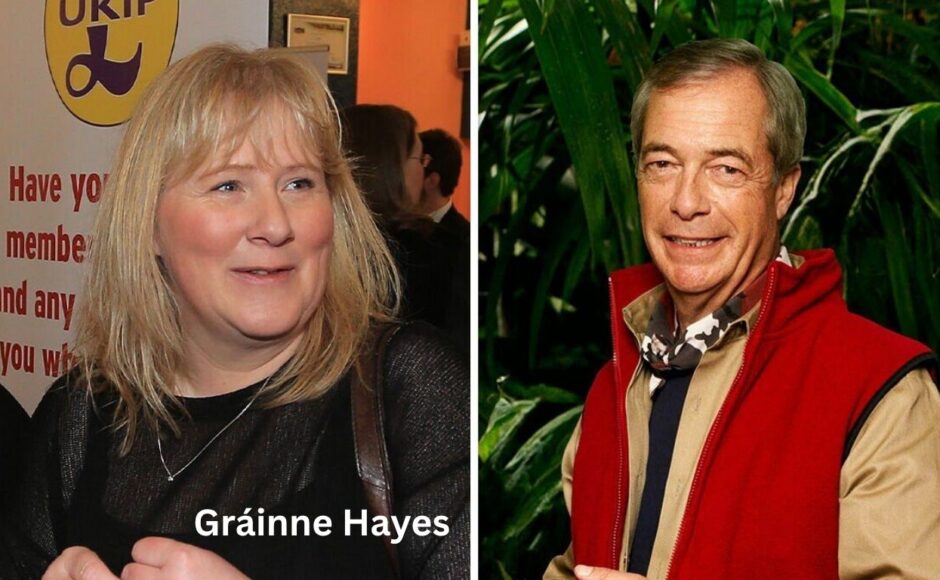
The Complete History of Gráinne Hayes, Nigel Farage’s First Wife

Nigel Farage has spent decades as one of Britain’s most recognisable political figures, but much less is known about the people who were part of his life before politics brought him into the national spotlight. One of those people is Gráinne Hayes, his first wife, who remained largely away from public attention despite sharing some of the most important moments of his early personal journey.

Unlike many people connected to public figures, Gráinne Hayes has never sought media attention or public recognition. She has chosen a private life, keeping details about her personal journey away from newspapers and interviews. However, the information that is publicly known reveals the story of an Irish nurse whose kindness, care, and support became connected with a defining period in Nigel Farage’s life.

Who Is Gráinne Hayes?

Gráinne Hayes is an Irish former nurse who became known publicly because of her marriage to Nigel Farage. While her name is often mentioned in connection with the former UKIP leader, she has always maintained a distance from politics and public life.

Her background is very different from that of many people associated with famous personalities. Rather than building a public career, Hayes focused on her profession, family, and personal life.

Quick Facts About Gráinne Hayes

Detail Information
Full Name Gráinne Hayes
Nationality Irish
Profession Former nurse
Married Nigel Farage 1988
Children Two sons, Samuel and Thomas
Divorce 1997
Public Presence No verified interviews or official social media accounts

The name Gráinne is a traditional Irish name, pronounced “Grawn-ya”, reflecting her Irish heritage.

Early Life and Nursing Career

Very little information is available about Gráinne Hayes’ childhood, education, or family background. She has always preferred to stay away from the public eye, and many details about her early years have never been made public.

What is known is that she worked as a nurse in the United Kingdom during the 1980s. During this period, many Irish healthcare professionals worked within the NHS, supporting hospitals across Britain and helping meet the growing demand for skilled medical staff.

It was through her nursing career that Hayes eventually met Nigel Farage, who at the time was working in the financial sector rather than politics.

Some reports have suggested that Hayes worked at or near Bromley Hospital in South London, although this detail has never been officially confirmed.

How Gráinne Hayes Met Nigel Farage

The beginning of their relationship came during a difficult chapter in Nigel Farage’s life.

In 1985, Farage was involved in a serious road accident near Orpington, Kent. The accident caused major injuries, including damage to his leg and head, and required a long period of treatment and recovery.

During this time, Gráinne Hayes was reportedly one of the nurses involved in his care. Farage later explained that he “married the nurse who treated me”, referring to Hayes.

Their relationship developed during his recovery period, when Farage was dealing with both physical injuries and the emotional challenges that followed the accident. For Hayes, the situation reflected the dedication and compassion expected from a healthcare professional supporting a patient during a difficult time.

Marriage and Family Life

After several years together, Gráinne Hayes and Nigel Farage married in 1988.

At that time, Farage was working as a commodities trader in London and had not yet entered the world of politics. The couple built a family together and welcomed two sons, Samuel and Thomas.

Their marriage covered an important period in Farage’s personal development. During these years, he recovered from serious health challenges, continued building his career, and later began moving towards political involvement.

Timeline of Important Events

1985: Nigel Farage suffers a serious road accident and meets Gráinne Hayes during his recovery.

1986: Farage receives treatment for testicular cancer.

1988: Gráinne Hayes and Nigel Farage marry.

1989: Their first son, Samuel, is born.

1991: Their second son, Thomas, is born.

1993: Farage joins UKIP and begins his political career.

1997: The couple divorce.

Their marriage lasted around nine years and included some of the most important changes in Farage’s personal and professional life.

A Relationship Built Around Support and Family

The story of Gráinne Hayes and Nigel Farage is not only about marriage but also about support during challenging times.

During their years together, Hayes was present during Farage’s recovery from serious injuries and illness. The couple raised two children while Farage’s career continued to develop.

As Farage became more involved in politics and public life, Hayes continued to remain outside the spotlight. Even after their divorce in 1997, she maintained her preference for privacy.

Her story shows how important roles are often played away from public attention. Not everyone connected to a famous person chooses recognition, and some people prefer to support their families quietly.

Public Interest and Limited Information

Because of her connection to Nigel Farage, Gráinne Hayes is occasionally mentioned in articles and biographies about him. However, verified information about her remains limited.

The details that are widely accepted include:

  • She is Irish.
  • She worked as a nurse in the UK.
  • She married Nigel Farage in 1988.
  • They have two sons together.
  • They divorced in 1997.

Beyond these facts, there is very little confirmed information available. Respecting privacy is important, especially when discussing people who have never chosen a public career.

Her Link to Irish Healthcare History

Gráinne Hayes’ story also reflects a wider part of British healthcare history.

During the 1980s and 1990s, thousands of Irish nurses worked within the NHS, contributing greatly to hospitals and communities throughout Britain. Many healthcare professionals moved from Ireland to the UK to build careers and provide essential medical care.

In this wider context, Hayes represents part of a generation of Irish healthcare workers who played an important role in supporting Britain’s medical system.

Life Away From the Spotlight

Perhaps the most noticeable part of Gráinne Hayes’ story is her decision to remain private.

She has not given public interviews about her marriage, created a public profile, or used her connection to Nigel Farage for attention.

In today’s world, where the personal lives of public figures often become widely discussed, Hayes’ choice to maintain boundaries is unusual. She has continued to live away from headlines and focus on her own life.

Frequently Asked Questions

Who is Gráinne Hayes?

Gráinne Hayes is an Irish former nurse and the first wife of Nigel Farage. They married in 1988, had two sons, and divorced in 1997.

How did Gráinne Hayes meet Nigel Farage?

They reportedly met after Farage’s serious road accident in 1985 while Hayes was involved in his medical care.

Where is Gráinne Hayes now?

There is no confirmed public information about her current location or career. She has continued to live privately.

Did Gráinne Hayes remarry?

There is no publicly confirmed information about whether she remarried after her divorce from Farage.

Does Gráinne Hayes have a public profile?

No verified interviews or official social media accounts are linked to her.

Final Thoughts

Gráinne Hayes’ story is one of privacy, family, and quiet influence. While Nigel Farage became a well-known political figure whose career was followed closely by the public, Hayes chose a different path away from media attention.

Although their marriage ended in 1997, she remains an important part of Farage’s early personal history. Her story highlights the impact of support, compassion, and the role people can play behind the scenes.

The limited information available about Gráinne Hayes tells the story of a woman who valued family, dignity, and a private life over public recognition.

Read More →
Share:

Sam Lovegrove: British Engineer, Innovator, and TV Star

In the world of British automotive television, few people have built a reputation quite like Sam Lovegrove. Known for his calm personality, exceptional engineering ability, and genuine love for classic machines, Sam has become a familiar name among car and motorcycle enthusiasts.

Viewers recognise him from popular restoration programmes including Shed & Buried, Find It, Fix It, Drive It, and Junk & Disorderly, where he works alongside presenter Henry Cole to uncover forgotten vehicles and bring them back to life.

However, Sam Lovegrove is not simply a television personality. His reputation comes from years of practical experience as an engineer, fabricator, and problem-solver. His knowledge is built through real workshop experience, not just time spent in front of the camera.

At a time when some restoration shows focus heavily on entertainment, Sam brings something different. His approach is based on patience, accuracy, and respect for the machines he works on. He believes every vehicle has a story, and restoring it means understanding that story rather than simply making it look new.

From rare motorcycles to forgotten farm machinery, Sam approaches every project with the same mindset: study the engineering, respect the past, and create something that can be enjoyed again.

This article explores Sam Lovegrove’s life, career, television journey, restoration philosophy, and the reasons why he continues to inspire people interested in engineering and classic vehicles.

Who Is Sam Lovegrove?

Sam Lovegrove is a British mechanical engineer, fabricator, and restoration expert who has become one of the most respected figures in classic vehicle television.

Although he became widely recognised through his television appearances, his career began long before cameras entered his workshop. For years, Sam worked with machines, developing the practical skills and technical understanding that later made him a favourite among restoration fans.

Unlike presenters who rely mainly on personality, Sam’s appeal comes from his knowledge. He has the ability to look at a damaged or forgotten machine and understand what it needs to return to working condition.

His method is simple but effective. He studies the problem, understands the original design, and finds a solution that respects both the engineering and the history of the machine.

Many fans admire him because he represents a traditional type of engineer: someone who learns through experience, values craftsmanship, and believes that every repair should have a purpose.

Early Passion for Engineering

Much about Sam Lovegrove’s early life remains private. He has always preferred to keep his personal background away from public attention and allow his work to speak for itself.

However, his lifelong connection with machinery is clear. From an early stage, Sam developed a fascination with how mechanical systems operated and what made them succeed or fail.

This curiosity became the foundation of his career. Instead of seeing machines as simple objects, Sam viewed them as carefully designed systems that could be understood, repaired, and improved.

Before becoming known through television, he spent years gaining practical experience in engineering and fabrication. His work included restoring historic vehicles, building custom components, solving mechanical issues, and working with unusual machines.

This background gave him the deep understanding that viewers now appreciate. His skills were developed through years of hands-on work, allowing him to approach restoration challenges with confidence and creativity.

Sam’s journey highlights an important truth about engineering: real expertise comes from patience, practice, and a willingness to learn from every project.

The Famous Partnership With Henry Cole

For many viewers, Sam Lovegrove’s name is closely connected with Henry Cole, the presenter and motorcycle enthusiast who brought classic vehicle restoration to a wider audience.

Their partnership has become one of the most enjoyable aspects of modern restoration television because their personalities create a natural balance.

Henry brings excitement, storytelling, and curiosity. He enjoys discovering unusual vehicles, meeting interesting owners, and exploring the history behind each find.

Sam brings technical understanding, careful judgement, and practical solutions. While Henry may see the possibility in a forgotten machine, Sam works out whether that possibility can become reality.

This difference creates an entertaining and authentic relationship.

Their conversations feel natural because their friendship is built around a shared passion for vehicles. Their shows are not only about repairing machines; they are about celebrating the people, memories, and stories connected to them.

The success of their partnership comes from the fact that neither person tries to overshadow the other. Henry creates the adventure, while Sam provides the engineering expertise needed to complete it.

Television Journey: The Shows That Made Him Famous

Shed & Buried: Discovering Forgotten Treasures

Shed & Buried became one of the programmes most associated with Sam Lovegrove. The series follows Sam and Henry as they travel around Britain searching through sheds, barns, garages, and private collections for forgotten mechanical treasures.

The discoveries range from classic motorcycles and vintage cars to unusual machines that have been sitting unused for years.

The excitement of the programme comes from the mystery of what they might find. However, the real attraction is watching Sam examine each discovery and determine whether it can be saved.

While Henry often focuses on the excitement of finding something rare, Sam carefully considers the condition, engineering, and history of each machine.

His knowledge allows him to recognise details that others might miss. A small component, an unusual design feature, or a particular sound can reveal important information about a vehicle’s past.

What makes Shed & Buried different from many restoration programmes is its focus on authenticity. The show celebrates the people who collect, preserve, and care for old machines.

Sam represents this philosophy perfectly because his aim is never simply to create a perfect-looking vehicle. His goal is to protect the character and history that make each machine special.

Find It, Fix It, Drive It: A Deeper Look at Restoration

After gaining popularity through Shed & Buried, Sam Lovegrove continued his restoration journey with Find It, Fix It, Drive It. The programme gave viewers a closer look at the complete restoration process, from discovering neglected vehicles to rebuilding them for practical use.

The series followed Sam and Henry Cole as they searched for forgotten machines and attempted to restore them within realistic budgets and timeframes.

Unlike restoration projects that focus only on appearance, the programme highlighted the importance of understanding how a machine works. Sam’s approach was always based on careful assessment, logical thinking, and practical engineering.

He examined each vehicle carefully before beginning work, identifying problems and finding solutions that matched the original design.

One of Sam’s greatest strengths is his ability to explain mechanical issues in a simple way. Viewers could understand not only what needed repairing but also why the problem happened in the first place.

The programme showed that restoration is not only about replacing broken parts. It requires patience, creativity, and a deep understanding of engineering.

Through Sam’s work, audiences discovered that even damaged and forgotten machines can have another life when they are treated with skill and care.

Junk & Disorderly: Finding Value in Forgotten Machines

Junk & Disorderly explored another side of Sam Lovegrove’s personality and his partnership with Henry Cole. The programme focused on searching for interesting vehicles and mechanical items at auctions, autojumbles, and private collections.

The goal was to discover affordable machines, repair them, and see whether they could be transformed into something useful and valuable.

The show highlighted the contrast between Henry’s enthusiasm for finding unusual bargains and Sam’s practical engineering mindset.

While Henry enjoyed the excitement of buying a new discovery, Sam considered the technical challenges involved. He looked beyond appearances and focused on whether a machine could realistically be restored.

His careful judgement often balanced the excitement of the project with the reality of the work required.

One of the reasons viewers enjoyed the series was seeing Sam turn neglected items into working machines. His satisfaction came not from making a quick profit but from giving forgotten vehicles another opportunity.

Sam Lovegrove’s Restoration Philosophy

For Sam Lovegrove, restoration is not about removing every sign of age. He believes that the history of a machine is part of what makes it valuable.

A classic vehicle carries evidence of its journey through time. Small marks, worn surfaces, and original features can tell stories about how it was used and cared for.

Instead of completely changing a machine, Sam prefers to improve it while protecting its original character.

His approach focuses on:

  • Keeping important original features
  • Improving reliability and safety
  • Understanding the machine’s history
  • Respecting traditional engineering methods

This philosophy has earned him admiration from collectors and enthusiasts who value authenticity.

Many people appreciate that Sam does not treat old vehicles as simple objects to modernise. He sees them as pieces of history that deserve careful attention.

For him, restoration is not about creating something completely new. It is about bringing the past back into the present.

The Unique Skill of Understanding Machines

One of the qualities that makes Sam Lovegrove stand out is his ability to understand machines through experience.

Years of working with vehicles have helped him develop an instinctive connection with mechanical systems.

He can often identify problems by listening carefully to an engine, feeling how a component behaves, or noticing small changes in performance.

This ability comes from years of practical work and cannot easily be replaced by technology.

Modern diagnostic equipment can provide useful information, but Sam believes traditional mechanical knowledge remains extremely important.

A machine can often reveal its problems through sounds, movement, and behaviour. Understanding these signs requires experience, patience, and attention to detail.

This combination of technical knowledge and practical instinct is one reason why Sam is so respected among classic vehicle enthusiasts.

A Television Personality Who Lets the Machines Shine

Many television personalities build their popularity through strong opinions or dramatic moments. Sam Lovegrove has taken a different path.

He does not seek attention or try to become the centre of every project. Instead, he allows his skills and the machines he restores to take the spotlight.

His calm attitude, dry humour, and honest approach have become part of his appeal.

Viewers appreciate that Sam remains realistic. If something can be repaired, he finds a way. If a machine is not worth saving, he explains why.

This honesty creates trust with audiences because his advice feels genuine.

Sam’s personality proves that someone does not need to be loud or dramatic to make an impact. His quiet confidence and deep knowledge are what make him memorable.

Respect for Brough Superior and British Motorcycle History

Among motorcycle enthusiasts, Sam Lovegrove is especially respected for his knowledge of Brough Superior motorcycles.

These historic British motorcycles are considered some of the finest examples of early motorcycle engineering. They are famous for their craftsmanship, performance, and attention to detail.

Working on a Brough Superior requires specialist knowledge and a careful understanding of traditional engineering.

Sam’s experience allows him to work with these machines while maintaining their original character.

His expertise includes areas such as:

  • Classic motorcycle engineering
  • Traditional mechanical systems
  • Historic components
  • Precision restoration techniques
  • Vintage manufacturing methods

Beyond Brough Superior, Sam has also worked with other important British motorcycle names, including Triumph, Norton, Velocette, and Vincent.

These brands represent an important chapter in British engineering history, and Sam’s work helps keep their legacy alive.

By restoring these machines, he helps ensure that future generations can appreciate the creativity and craftsmanship behind them.

Life Away From the Cameras

Although Sam Lovegrove has become a recognised figure in British automotive television, he has always maintained a private lifestyle away from the spotlight.

Unlike many public personalities who share details of their personal lives online, Sam prefers to keep his attention on his work. He has never been interested in creating a celebrity image or seeking constant public recognition.

Away from television, Sam continues to focus on engineering, restoration, and creative projects that allow him to work with his hands.

His passion remains connected to the workshop rather than the world of fame. Whether restoring classic vehicles, creating custom parts, or helping collectors with specialist projects, Sam continues to follow the same principles that have shaped his career.

His quiet approach has increased his respect among fans because it reflects his genuine personality. For Sam, quality work and practical knowledge matter more than attention.

Sam Lovegrove’s Contribution to British Automotive Culture

Sam Lovegrove represents a traditional approach to engineering that is becoming increasingly valuable in today’s world.

As technology continues to change how people interact with vehicles, Sam reminds audiences about the importance of understanding, repairing, and maintaining machines.

His work has encouraged people to appreciate craftsmanship and develop an interest in mechanical skills.

Promoting the Value of Repair

One of Sam’s biggest influences has been encouraging people to repair rather than replace.

His programmes show that old vehicles and machines should not always be viewed as useless. With the right knowledge and patience, forgotten items can often be restored and enjoyed again.

Many viewers have been inspired to work on their own projects, learn basic mechanical skills, and discover the satisfaction that comes from creating something with their own hands.

Sam’s message is simple: repairing a machine is not only practical, but also rewarding.

Keeping Engineering Heritage Alive

Every classic vehicle represents a piece of history.

Old motorcycles, cars, and mechanical equipment reflect the ideas, skills, and creativity of the people who built them.

Through his restoration work, Sam helps preserve these important parts of engineering history.

His projects allow future generations to experience machines from different eras and understand the craftsmanship behind them.

Rather than allowing these vehicles to disappear, he gives them a new purpose while respecting their original identity.

Making Engineering More Accessible

Although Sam’s programmes are designed for entertainment, they also provide valuable learning opportunities.

Viewers gain knowledge about different areas of engineering, including:

  • Vehicle restoration
  • Engine systems
  • Mechanical repairs
  • Fabrication methods
  • Classic vehicle maintenance
  • Problem-solving techniques

Sam has a natural ability to explain complicated ideas without making them confusing.

His approach shows that engineering is not only for experts. Anyone with curiosity and patience can learn more about how machines work.

Inspiring New Generations

One of Sam Lovegrove’s most important contributions is inspiring younger people to explore engineering.

His work shows that technical skills, creativity, and practical thinking can be exciting.

In a world where digital careers often receive more attention, Sam highlights the value of working with real materials and developing hands-on abilities.

He represents the idea that traditional craftsmanship still has a place in modern society.

Understanding the Rumours Around Sam Lovegrove

Like many television personalities, Sam Lovegrove has attracted online discussions about his career and appearances.

However, much of the information shared online comes from fan conversations and speculation rather than official announcements.

The reality is that Sam has always remained focused on engineering first.

Television projects can change due to production schedules, personal commitments, or new opportunities. These changes do not take away from his reputation within the restoration community.

Fans continue to value Sam for his knowledge, honesty, and contribution to classic vehicle culture.

The Qualities That Make Sam Lovegrove Special

Sam Lovegrove’s popularity comes from his authentic personality and genuine passion for engineering.

He does not rely on dramatic moments or exaggerated reactions. Instead, his reputation has been built through years of experience and a clear love for his craft.

Some of the qualities that define Sam include:

A Natural Sense of Humour

Sam’s dry humour and perfectly timed comments bring personality to every project. His relaxed style creates an enjoyable viewing experience.

Honesty and Realistic Thinking

Sam approaches every project with practical judgement. He understands that not every machine can or should be restored, and he explains his reasoning clearly.

Curiosity and Creativity

Every vehicle presents a new challenge. Sam enjoys discovering how machines were designed and finding solutions to complicated problems.

Patience and Knowledge Sharing

Sam takes time to explain his work, helping audiences understand the process behind restoration.

These qualities have helped him build long-term respect among viewers and enthusiasts.

Why Sam Lovegrove’s Work Matters Today

Modern vehicles and technology have changed dramatically. Many machines now depend heavily on computer systems, and some products are designed with limited repair options.

Sam represents a different approach. He believes in understanding how things work, learning traditional skills, and creating a connection with the objects people use.

His work highlights three important values:

Sustainability

Repairing and restoring old machines reduces waste and allows valuable items to continue being used.

Appreciation for History

Classic vehicles represent important moments in engineering development. Protecting them helps preserve stories from the past.

Protecting Practical Skills

Traditional engineering knowledge is valuable and should continue to be passed between generations.

Sam is not simply repairing old cars and motorcycles. He is protecting a culture built around craftsmanship, curiosity, and problem-solving.

The Future of Sam Lovegrove’s Legacy

Sam Lovegrove’s influence on the automotive world will continue long after individual television programmes come to an end.

His dedication to restoration has inspired collectors, engineers, and hobbyists across the world.

Whether he appears on screen or continues working quietly behind the scenes, his approach will remain respected.

Every person who chooses to restore an old vehicle, learn a mechanical skill, or appreciate traditional craftsmanship carries forward the values Sam represents.

Frequently Asked Questions About Sam Lovegrove

Who is Sam Lovegrove?

Sam Lovegrove is a British engineer, fabricator, and television personality known for restoring classic vehicles. He is recognised for appearing in programmes including Shed & Buried, Find It, Fix It, Drive It, and Junk & Disorderly.

Is Sam Lovegrove a genuine engineer?

Yes. Sam is widely respected for his practical engineering experience, restoration skills, and extensive knowledge of mechanical systems.

What type of vehicles does Sam Lovegrove restore?

Sam works on a variety of classic vehicles, including motorcycles, cars, and unusual machinery. He is particularly respected for his knowledge of British motorcycles.

Is Sam Lovegrove still working in restoration?

Sam continues to be connected with the restoration world through engineering projects, specialist work, and his passion for classic machines.

Where can viewers watch Sam Lovegrove’s programmes?

His shows have been broadcast on channels including Quest and Discovery, although availability depends on location and streaming services.

Conclusion: The Engineer Who Keeps History Moving

Sam Lovegrove is a perfect example of how skill, patience, and passion can create a lasting legacy.

While television introduced him to a wider audience, his reputation comes from his genuine engineering ability and respect for classic machines.

His work proves that restoration is not simply about repairing old vehicles. It is about protecting history, celebrating craftsmanship, and keeping valuable skills alive.

In a world that often moves quickly towards replacement, Sam reminds us of the importance of understanding, repairing, and appreciating the things around us.

Through every restored machine and every person inspired by his work, Sam Lovegrove continues to keep Britain’s engineering heritage alive.

Read More →
Share: