Artificial Intelligence (AI) is bringing new tools to healthcare, and one of the most promising developments is the integration of AI technologies into smart homes for diabetes management. Smart homes equipped with AI-driven systems provide automated health monitoring and proactive support, helping improve daily care for diabetes patients. Industry professionals like Joe Kiani, founder of Masimo, recognize the potential of advanced technologies and their ability to make health management more accessible and responsive in everyday living environments.
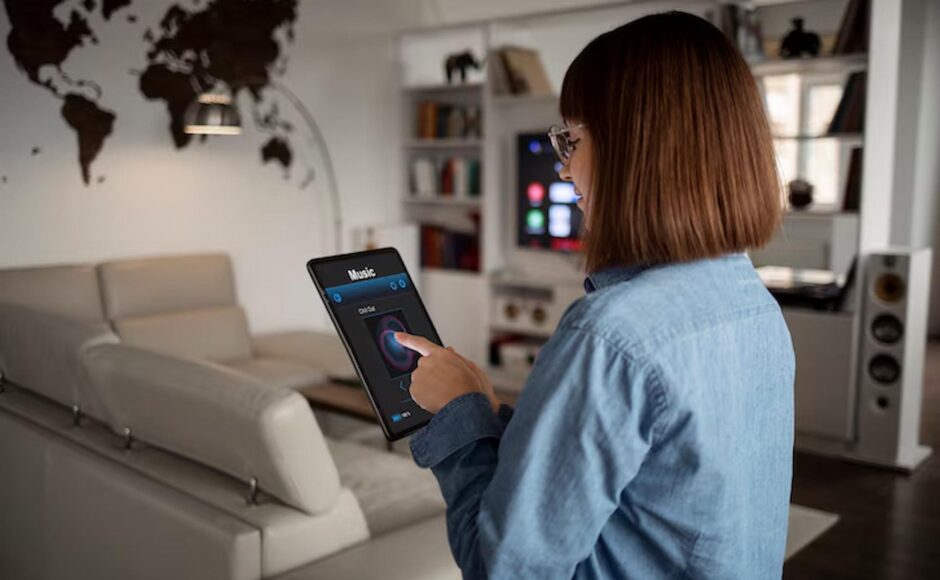
AI-integrated smart homes offer a comprehensive, real-time approach to managing diabetes. They go beyond traditional medical interventions to create environments that support patient health. The technology seamlessly integrates into everyday life while delivering medical-grade monitoring, offering continuous care and meaningful insights into a patient’s health.
Automated Monitoring and Management
Automated health monitoring is a key feature of AI-integrated smart homes for diabetes care. AI systems continuously analyze data from various smart devices throughout the home, helping detect patterns and initiate timely responses. These systems can anticipate health-related needs and make subtle environmental adjustments to support patient wellbeing.
For instance, if signs of distress are detected during sleep, such as irregular movements or changes in breathing, AI can adjust lighting or temperature to create a safer, more supportive environment, or alert a caregiver. This kind of real-time responsiveness represents a significant advancement in home-based health support, contributing to greater safety and peace of mind for patients and their families.
Smart devices like automated medication dispensers or wearable fitness trackers can feed data into centralized AI systems, which help coordinate care routines and encourage adherence to treatment plans. This integration supports consistency in daily management and reduces the risk of complications associated with chronic conditions like diabetes.
Personalized Dietary and Lifestyle Recommendations
AI-driven smart homes can offer highly personalized dietary and lifestyle recommendations based on real-time health data collected continuously from the patient. Smart refrigerators and pantries equipped with AI technology can monitor food consumption and provide tailored nutritional advice based on trends and dietary preferences.
Imagine a smart kitchen system recommending meals or snacks chosen for the patient’s immediate levels, dietary restrictions or nutritional needs. This capability helps diabetes patients make informed dietary choices, significantly improving control and overall health management.
In addition, smart home AI can monitor daily physical activities, suggesting exercise routines designed to optimize glucose levels based on the patient’s specific needs, enhancing overall wellness and disease management.
Proactive Health Management
Smart homes equipped with AI provide continuous support for people managing diabetes. By tracking patterns in behavior, activity and glucose levels, these systems can help identify potential problems sooner and suggest timely actions to avoid complications.
For example, AI can detect signs of rising stress levels or reduced physical activity that could affect glucose control, suggesting timely adjustments such as relaxation techniques or customized exercise routines. Early support like this can reduce emergency interventions and hospitalizations, giving patients more control over their day-to-day health.
Joe Kiani has said, “We have a real responsibility and an opportunity to change people’s lives for the better. And it’s not easy. But it’s everything.” Smart home technologies that deliver early warnings and personalized guidance reflect that responsibility, offering tools that help people manage diabetes more confidently and stay ahead of potential problems.
Enhanced Patient Safety and Emergency Response
One significant advantage of AI-integrated smart homes is enhanced patient safety through automated emergency response systems. AI systems can quickly detect abnormal glucose levels, physical falls or other health emergencies, immediately alerting caregivers or medical services.
Automated emergency response systems ensure rapid medical intervention, reducing the risk of severe complications. These systems enhance patient safety and provide peace of mind for patients and their families, especially when the patient lives independently.
Advanced AI algorithms can even learn patient-specific patterns, distinguishing between normal fluctuations and genuine emergencies, thereby reducing false alarms and ensuring focused care responses.
Addressing the Challenges of AI-Integrated Smart Homes
While AI-integrated smart homes offer substantial benefits, several challenges must be addressed for widespread adoption. First, ensuring data security and patient privacy is crucial, given the sensitive health information collected by these systems. Robust encryption methods and transparent data management practices are tessential to protect patient data and build user trust.
Second, interoperability between various smart home devices and healthcare systems is necessary for seamless data integration. Developers must prioritize standardized communication protocols and user-friendly interfaces to maximize usability and ensure effective health management.
Addressing the accessibility and affordability of smart home technologies will be crucial. Ensuring that AI-driven home monitoring systems are widely accessible requires strategic partnerships and thoughtful policy decisions, including insurance coverage and subsidies for technology adoption.
Ethical and Privacy Considerations
AI integration into home health management naturally raises ethical and privacy concerns. Maintaining patient autonomy and ensuring informed consent for data usage are essential to preserve trust. Patients should clearly understand how their data is utilized, who has access to it and the purpose of data analysis.
Transparent data policies, secure data storage solutions and clear communication about privacy practices will ensure ethical standards are met. These considerations are fundamental for the acceptance and success of AI-integrated smart home technologies.
Smart Home Innovations Supporting Diabetes Care
The future of AI-integrated smart homes for diabetes management is exceptionally promising, driven by continuous technological advancements and increasing patient acceptance. Future developments may include sophisticated machine learning algorithms capable of learning and adapting to patient habits, lifestyle changes and fluctuating health statuses.
Improvements in sensors and wearable devices could make smart homes even more effective at monitoring health conditions accurately and unobtrusively. As technology progresses, AI-integrated smart homes will increasingly become comprehensive, patient-centered health management ecosystems.
As smart home technologies continue to advance, they are expected to play a larger role in supporting more connected, patient-centered approaches to managing diabetes. These developments are already setting the stage for practical improvements in how patients manage their care today.
How AI-Integrated Smart Homes Are Improving Diabetes Management
AI-integrated smart homes are helping bring healthcare into patients’ daily lives in new ways. By providing automated health monitoring, personalized dietary and lifestyle guidance, proactive interventions and rapid emergency response capabilities, these systems can improve patient safety, comfort and health outcomes.
As technology continues to advance and adoption barriers are addressed, smart homes are expected to play a larger role in diabetes care, helping patients maintain better control over their health. Collaboration among healthcare providers, technology developers and research institutions will be important in making these solutions more accessible and effective. The continued development of intelligent, adaptive technologies will support more personalized care and help people manage chronic conditions with greater independence.