
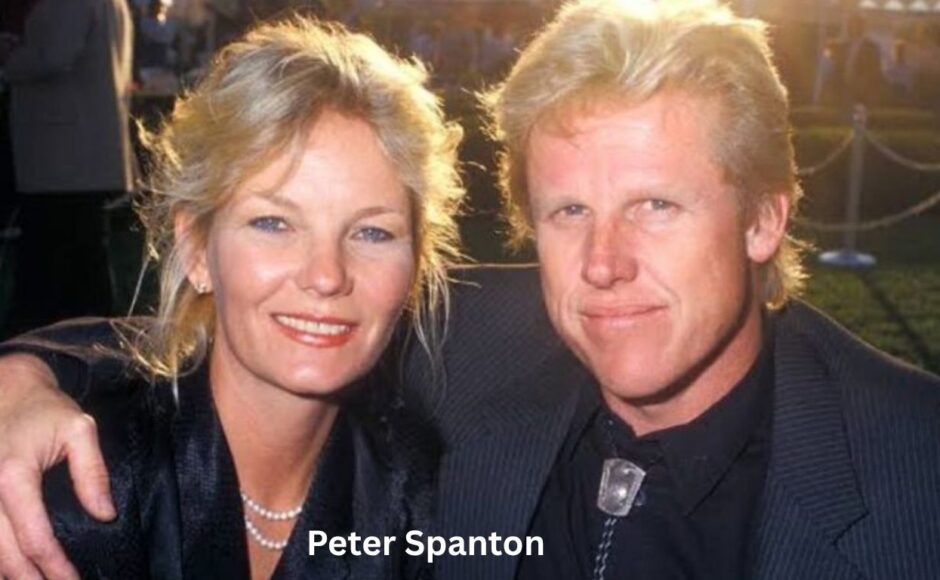
Peter Spanton is a British entrepreneur and hospitality figure whose career has covered some fascinating chapters. While he is often mentioned because of his marriage to broadcaster Janet Street-Porter, his own achievements tell a much broader story. From creating a popular Clerkenwell restaurant during London’s changing food scene to developing premium alcohol-free drinks before they became widely recognised, Spanton has built a career based on creativity and understanding people.
His journey is not simply about restaurants or beverages. It is also a story of personal change, determination, and the ability to turn difficult experiences into new opportunities. Over several decades, he has shown a strong instinct for recognising what people want, whether that means a welcoming restaurant atmosphere or a sophisticated drink that offers an alternative to alcohol.
Away from the spotlight, Peter Spanton has remained focused on his work and personal values. His career reflects the changing nature of British hospitality and the growing importance of choice, quality, and experience.
Early Years and Personal Background
Peter Spanton has always maintained a private approach when it comes to his early life. While public records suggest that he was born in Britain in January 1955, there is limited information available about his childhood, education, and family background.
Unlike many people connected to public figures, Spanton has never actively shared details about his personal history. His attention has mainly been on his professional projects rather than building a public profile.
Although his early years remain largely private, stories connected to his later work suggest that traditional British pub culture played a role in shaping his understanding of hospitality. Memories linked to classic drinks, social gatherings, and the importance of conversation appear to have influenced his appreciation for flavour and atmosphere.
These early impressions later became important parts of his career, helping him develop a unique approach to both restaurants and drinks.
Finding His Place in Hospitality
Peter Spanton’s entry into the hospitality industry was based on experience rather than a traditional career route.
Instead of following a typical path through formal culinary training or working for large restaurant groups, he developed his knowledge by observing customers and understanding what made places feel special.
For Spanton, hospitality was never only about serving food. He believed that the complete experience mattered. The surroundings, service, mood, and connection between people all contributed to whether guests wanted to return.
This belief became central to his approach.
He saw restaurants as more than businesses. They were places where people gathered, celebrated, relaxed, and created memories. This focus on human connection helped shape the identity of the venues he later created.
The Launch of Vic Naylor’s in Clerkenwell
In 1986, Peter Spanton opened Vic Naylor’s, a restaurant and bar on St John Street in Clerkenwell, London.
At that time, Clerkenwell was not yet the fashionable area known today for restaurants, creative studios, and design companies. Much of the neighbourhood still had an industrial character, with warehouses and workshops forming a major part of the landscape.
Opening an independent restaurant in the area required confidence and a willingness to take risks.
Spanton recognised potential where others saw uncertainty.
Rather than copying the traditional style of London restaurants at the time, Vic Naylor’s developed its own personality. The venue offered a relaxed environment with a distinctive atmosphere that encouraged guests to stay longer and enjoy the experience.
The restaurant was not built around formality. It was built around comfort, character, and connection.
How Vic Naylor’s Became a London Favourite
During the late 1980s and 1990s, London’s dining culture was changing. Independent restaurants were becoming increasingly important, especially in areas that were beginning to attract creative communities.
Vic Naylor’s became part of this movement.
The restaurant gained popularity through reputation rather than large-scale promotion. People visited because they heard about the atmosphere, the friendly service, and the feeling that the venue had its own identity.
Spanton understood that customers were looking for more than a meal. They wanted somewhere with personality.
This approach helped Vic Naylor’s stand apart from restaurants that focused only on appearance or luxury. Its success came from creating a genuine experience where people felt comfortable returning again and again.
A Different Approach to Running a Restaurant
Peter Spanton was known for being involved in the daily life of his restaurant rather than operating from a distance.
He paid attention to guests, understood the mood of the room, and recognised the importance of small details that shaped the overall experience.
His belief was simple: people remember how a place makes them feel.
This idea became one of the strongest parts of Vic Naylor’s identity.
The restaurant’s appeal was not only about the menu. It was about the conversations, friendships, and moments created inside the space.
This people-focused approach helped establish Spanton as a restaurateur who understood the emotional side of hospitality.
Becoming a Meeting Place for London’s Creative Community
As London’s creative scene expanded during the 1990s, Vic Naylor’s became known as a place where artists, writers, designers, and media professionals could gather.
The restaurant was never designed as a celebrity destination. Its popularity came naturally from the welcoming environment Peter Spanton created. People were attracted to the relaxed atmosphere, friendly service, and sense that the restaurant felt different from more formal dining spaces.
Over time, Vic Naylor’s became connected with several important names from Britain’s art world, including Tracey Emin, Sarah Lucas, and the Chapman Brothers.
There have also been reports that filmmaker and artist Sam Taylor-Johnson worked at the restaurant before becoming widely recognised.
These connections reflected the restaurant’s genuine place within London’s cultural world. It was not about creating a fashionable image. Instead, it became popular because creative people naturally felt comfortable there.
Why Vic Naylor’s Became More Than a Restaurant
The success of Vic Naylor’s was not based only on the people who visited. Its reputation came from the experience it offered.
At a time when some restaurants focused heavily on exclusivity, Spanton created a venue that felt open and welcoming. Customers could enjoy good food, interesting conversations, and a relaxed environment without feeling that they needed to fit a certain image.
Regular visitors often recommended the restaurant to friends, helping its reputation grow through personal recommendations.
The restaurant also played a small but meaningful role in Clerkenwell’s transformation. Independent businesses like Vic Naylor’s helped show the potential of the area before it became one of London’s most popular creative neighbourhoods.
The Challenges Behind Hospitality Success
While running a successful restaurant brought recognition and satisfaction, it also came with pressure.
The hospitality industry has long been associated with demanding schedules, late nights, and social drinking. During the 1980s and 1990s, alcohol was deeply connected with restaurant culture, with many industry professionals spending long hours surrounded by drinks and social events.
For Peter Spanton, this environment eventually became difficult to manage.
What began as part of his professional lifestyle gradually developed into a serious personal struggle. The same industry that helped build his career also exposed him to habits that affected his health and wellbeing.
Recognising the problem became an important moment in his life.
Peter Spanton’s Recovery Journey
Peter Spanton has openly discussed his experience with alcoholism and the impact it had on his life.
Rather than hiding this part of his story, he chose to speak about it honestly. He explained that years spent working in hospitality had made excessive drinking feel normal until he realised it was affecting his future.
In 1999, Spanton made the decision to seek professional support and entered treatment at The Priory, a well-known rehabilitation centre.
The process of recovery required significant personal change. It involved accepting the problem, rebuilding daily habits, and creating a healthier relationship with life.
For Spanton, recovery became more than leaving alcohol behind. It changed the way he viewed social occasions, hospitality, and the role drinks play in people’s lives.
This experience later became a major influence on the next stage of his career.
Janet Street-Porter and Their Relationship
Around the time Peter Spanton was rebuilding his life, he began a relationship with journalist and broadcaster Janet Street-Porter.
Street-Porter was already a familiar name in British media, known for her work in newspapers, television, and publishing. Despite coming from different professional backgrounds, the pair developed a strong connection based on shared experiences and mutual support.
According to Spanton, Street-Porter encouraged him during his recovery and supported him through a challenging period.
Their relationship grew away from constant public attention. Rather than focusing on publicity, they built a partnership based on companionship, humour, and understanding.
Over the years, they became known as a couple who valued their private life while maintaining a strong connection.
Seeing a Gap in the Drinks Industry
After becoming sober, Peter Spanton continued spending time around restaurants and bars. However, he started noticing something missing from the industry.
People who chose not to drink alcohol often had very few enjoyable options.
While alcoholic drinks were becoming more creative and sophisticated, non-alcoholic choices were usually limited to basic soft drinks, juice, or water.
Spanton believed this did not make sense.
He felt that adults should not have to sacrifice taste, quality, or the experience of enjoying a special drink simply because they were choosing not to consume alcohol.
This observation became the inspiration for a completely new business idea.
Creating Peter Spanton Beverages
Using his years of hospitality experience, Peter Spanton began developing premium alcohol-free drinks.
He launched Peter Spanton Beverages with the goal of creating sophisticated alternatives that could sit comfortably alongside cocktails, wines, and spirits.
His vision was not to produce ordinary soft drinks.
Instead, he wanted to create beverages with depth, balance, and character. Drinks that could be enjoyed during dinner, at social events, or simply as a more interesting everyday choice.
At the time, the market for premium alcohol-free beverages was still very small. The ideas of mindful drinking and alcohol-free lifestyles had not yet become mainstream.
Spanton was recognising a change in consumer behaviour before many others noticed it.
Creating Drinks With Complexity and Character
Peter Spanton approached soft drinks in a completely different way.
Rather than focusing mainly on sweetness, he developed recipes that included more unusual ingredients and layered flavours.
His drinks featured elements such as:
- Botanical extracts
- Citrus oils
- Herbs
- Spices
- Natural fruit flavours
- Bitter notes
The aim was to create a drinking experience that felt mature and refined.
These beverages reflected the same principles that shaped his restaurant career: quality, atmosphere, and attention to detail.
For Spanton, a drink was not simply something to consume. It was part of a wider social experience.
Beverage No. 7 and the Idea of Premium Alcohol-Free Drinks
One of Peter Spanton Beverages’ most recognised products was Beverage No. 7, a drink created to offer a more refined alternative to traditional soft drinks.
Instead of relying on simple sweetness, Spanton focused on creating a drink with depth and balance. The recipe included carefully selected ingredients such as açaí berries, grape, clove, star anise, and botanical flavours.
The idea was to create something that could be enjoyed slowly, similar to the way people appreciate wine or a well-made cocktail.
At the time, this was a very different approach. Most alcohol-free drinks were seen as basic alternatives rather than products with their own identity. Spanton wanted to change that perception by showing that non-alcoholic options could still feel special.
His drinks were designed for adults who wanted flavour, presentation, and quality without alcohol.
A Vision Before Its Time
Today, alcohol-free beverages are a growing part of the hospitality industry. Restaurants, bars, and supermarkets now offer a wide range of premium mocktails, botanical mixers, and sophisticated soft drinks.
However, when Peter Spanton entered the market, the idea was still unfamiliar to many people.
Most customers associated alcohol-free drinks with limited choices or simple refreshments. Spanton recognised that attitudes were beginning to change and that people wanted more flexibility in how they socialised.
He understood that choosing not to drink alcohol did not mean choosing a less enjoyable experience.
This idea later became a major part of the mindful drinking movement, where consumers began looking for better alternatives without giving up taste or quality.
Expanding the Peter Spanton Drinks Range
The Peter Spanton brand developed a collection of premium beverages that focused on interesting flavours and high-quality ingredients.
The range included combinations featuring:
- Cardamom
- Cucumber
- Lemongrass
- Ginger
- Cocoa
- Mint
- Bitter citrus
- Botanical extracts
Each drink was created to offer something different from everyday soft drinks.
The brand also paid attention to design and presentation. The packaging had a classic, sophisticated appearance that reflected the premium nature of the products.
Instead of competing with large soft drink companies, Spanton positioned his beverages within restaurants, specialist shops, and hospitality spaces where customers appreciated unique products.
Recognition Among Chefs and Bartenders
Although Peter Spanton Beverages did not become a major commercial brand on the scale of global drinks companies, it developed respect within the hospitality industry.
Chefs, bartenders, and food professionals recognised the creativity behind the products and appreciated the effort to bring more quality choices into the alcohol-free category.
The brand attracted customers who wanted drinks that felt thoughtful and different.
Spanton’s approach was never about following a quick trend. It was about creating something that matched changing lifestyles and offered genuine value.
Changing Attitudes Towards Drinking
One of Peter Spanton’s biggest contributions was helping change the conversation around alcohol and social occasions.
For a long time, drinking alcohol was closely connected with celebrations, dinners, and nights out. People who avoided alcohol often had fewer choices and were expected to accept simple alternatives.
Spanton challenged this idea.
He showed that a drink could still be enjoyable because of its flavour, design, and experience rather than its alcohol content.
This approach became increasingly relevant as more people began exploring healthier lifestyles and reducing their alcohol intake.
The popularity of alcohol-free cocktails and premium mixers today reflects many of the ideas Spanton introduced years earlier.
Peter Spanton and Janet Street-Porter’s Long Relationship
While Peter Spanton built his career in restaurants and drinks, his relationship with Janet Street-Porter brought him wider public attention.
By the time they met, Street-Porter had already established herself as a respected journalist and broadcaster. Known for her strong opinions and energetic personality, she had built a successful career in British media.
Despite their different professional worlds, the couple developed a strong bond.
Their relationship was based on friendship, support, and shared experiences rather than public appearances. They generally kept their personal life private and avoided unnecessary media attention.
Over the years, their partnership became known for its honesty and longevity.
Marriage After Decades Together
After 27 years as a couple, Peter Spanton and Janet Street-Porter married in February 2026.
Street-Porter announced the news during an appearance on Loose Women, surprising many viewers who had followed their relationship.
The marriage represented a long-standing partnership built over decades rather than a short public romance.
Instead of focusing on a large celebrity celebration, attention was placed on their journey together and the strength of their relationship.
The announcement also brought renewed interest in Peter Spanton’s own career and achievements outside of his connection with Street-Porter.
Business Career and Financial Information
Peter Spanton has always focused more on building businesses than creating a public image around money.
His career includes restaurant ownership, hospitality projects, and the creation of Peter Spanton Beverages.
There is no confirmed public information about his exact net worth. Some websites publish estimated figures, but these numbers are not officially verified.
Like many independent entrepreneurs, Spanton’s businesses existed in competitive industries where success depends on timing, creativity, and changing consumer demand.
His reputation has been built less on financial figures and more on his ability to create original ideas.
The Importance of Authenticity in His Career
Across every stage of his professional life, Peter Spanton has followed similar principles.
Whether creating a restaurant or developing drinks, his focus has remained on:
- Creating memorable experiences
- Understanding customer needs
- Offering quality products
- Building genuine connections
- Creating something different
This consistent approach helped him develop a unique identity within British hospitality.
Rather than chasing popularity, Spanton focused on creating things that had lasting value.
A Life of Reinvention and Personal Growth
One of the strongest themes throughout Peter Spanton’s life is his ability to adapt and begin again.
His experience with alcoholism became a difficult period, but it also changed the way he viewed hospitality and social drinking. Instead of walking away from the industry completely, he used his experiences to create something new.
Recovery gave him a different perspective on the role drinks play in people’s lives. He began to see that social experiences did not need to revolve around alcohol and that flavour, creativity, and connection could exist without it.
This new understanding influenced the creation of Peter Spanton Beverages and helped introduce a different way of thinking about alcohol-free options.
His journey shows how personal challenges can sometimes become the starting point for meaningful change.
Maintaining a Private Life Away From Fame
Despite his connection to a well-known broadcaster and his achievements in hospitality, Peter Spanton has always preferred a quiet lifestyle.
He has rarely shared details about his personal background, family, or private matters. Instead of building a public image through interviews and media appearances, he has allowed his work to represent him.
This approach is quite different from many modern entrepreneurs who use personal publicity as part of their business strategy.
For Spanton, the focus has always been on creating successful restaurants, developing original products, and building experiences that people remember.
His decision to stay away from unnecessary attention has become an important part of his identity.
Peter Spanton’s Contribution to British Hospitality
Peter Spanton’s career reflects several important changes within British food and drink culture.
Helping Shape Clerkenwell’s Creative Identity
When Vic Naylor’s opened in 1986, Clerkenwell was still developing as a destination for food and culture.
Independent venues like Spanton’s restaurant helped bring new energy to the area. They attracted artists, designers, journalists, and creative professionals who were looking for places with character.
The restaurant represented a time when independent hospitality businesses could influence the personality of an entire neighbourhood.
It helped prove that a venue did not need to be part of a large group to become successful. Strong ideas, atmosphere, and connection with customers could create a lasting reputation.
Introducing a New View of Alcohol-Free Drinks
Peter Spanton also made an early contribution to the premium alcohol-free drinks sector.
Before alcohol-free cocktails and sophisticated mixers became common, he recognised that customers wanted better alternatives.
He understood that people choosing not to drink alcohol still wanted drinks that felt grown-up, stylish, and enjoyable.
Today, the popularity of premium non-alcoholic beverages shows how much the industry has changed.
Spanton’s early ideas helped support a shift towards more inclusive drinking experiences.
Where Is Peter Spanton Today?
As of 2026, Peter Spanton remains recognised for three major parts of his career:
- Creating Vic Naylor’s, the influential Clerkenwell restaurant and bar.
- Launching Peter Spanton Beverages and introducing premium alcohol-free drinks.
- His long-term relationship and marriage with Janet Street-Porter.
According to UK company records, Peter Spanton Drinks Ltd was dissolved in 2022. However, the brand continues to be remembered by people in the hospitality industry for its creativity and forward-thinking approach.
In recent years, Spanton has largely stayed away from public attention. He continues to maintain the private lifestyle that has defined much of his personal journey.
Frequently Asked Questions About Peter Spanton
Who is Peter Spanton?
Peter Spanton is a British restaurateur and entrepreneur. He founded Vic Naylor’s in Clerkenwell, London, and later created a premium range of alcohol-free beverages. He is also known as the husband of broadcaster Janet Street-Porter.
When was Peter Spanton born?
Peter Spanton was born in Britain in January 1955, according to available public records. His exact birth date has not been widely shared.
What made Vic Naylor’s famous?
Vic Naylor’s became known for its relaxed atmosphere, independent style, and connection with London’s creative community. The restaurant attracted artists, writers, designers, and media professionals during the 1980s and 1990s.
Did Peter Spanton struggle with alcohol addiction?
Yes. Peter Spanton has spoken publicly about his struggle with alcoholism. In 1999, he entered treatment at The Priory and began his recovery journey.
Who is Peter Spanton married to?
Peter Spanton is married to journalist and broadcaster Janet Street-Porter. The couple married in February 2026 after being together for 27 years.
What happened to Peter Spanton Beverages?
Peter Spanton Drinks Ltd was dissolved in 2022. However, the company remains recognised for helping introduce more sophisticated alcohol-free drinks before the category became widely popular.
Is Peter Spanton’s net worth publicly known?
No confirmed information is available about Peter Spanton’s net worth. Online estimates are not officially verified.
Conclusion: The Story of a Quiet Innovator
Peter Spanton’s career is a story of creativity, change, and resilience.
From building a successful independent restaurant in London’s evolving Clerkenwell district to creating premium alcohol-free drinks before they became fashionable, he has consistently shown an ability to understand cultural shifts and consumer needs.
His personal journey has also shaped his professional work. Overcoming alcoholism changed his perspective and inspired him to create products that offered people more choice and flexibility.
Although many people first recognise Peter Spanton because of his relationship with Janet Street-Porter, his own achievements deserve attention. His contribution to British hospitality and the development of alcohol-free beverages reflects years of creativity and forward-thinking ideas.
Peter Spanton’s story proves that influence does not always come from seeking fame. Sometimes, it comes from quietly creating something meaningful that changes the way people experience everyday life.