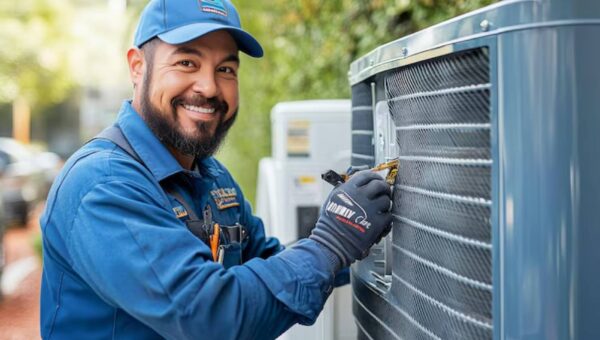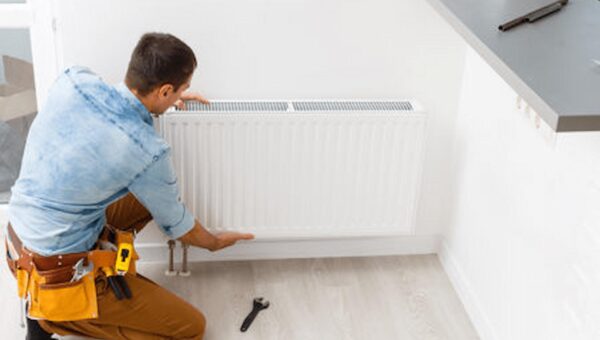

A heating system should keep your home comfortable without causing unexpected increases in energy bills. When certain rooms remain cold or the system runs longer than usual, it may indicate an issue with airflow, thermostat settings, maintenance or internal components. Identifying these warning signs early can help prevent further problems and restore consistent indoor comfort.
For homeowners seeking reliable heating services in Conway, AR, understanding the symptoms of a struggling heating system is a useful first step. Knowing which problems you can check yourself and when to call a qualified HVAC technician can help you make informed decisions about repairs and ongoing maintenance.
Why Your Heating System May Struggle to Keep Up
Heating systems can lose efficiency as components wear, filters become clogged or airflow becomes restricted. A furnace may struggle to distribute warm air, while a heat pump may have difficulty maintaining the desired temperature when something is wrong with its operation.
Not every comfort problem requires a major repair. Incorrect thermostat settings, blocked vents or poor insulation can also contribute to cold rooms. However, if the problem persists despite basic checks, a professional inspection can help identify the underlying cause.
Common Signs Your Heating System Needs Repair
1. Some Rooms Stay Cold
Uneven heating is one of the clearest signs that your system may not be distributing warmth properly. If one room feels comfortable while another remains chilly, the cause could be blocked vents, leaking ductwork, restricted airflow or an issue with the heating equipment.
Start by checking that supply vents are open and unobstructed. If the temperature difference continues, an HVAC technician can inspect the ductwork, airflow and system performance to determine what needs attention.
2. Your Energy Bills Are Increasing
A sudden increase in heating costs without a clear change in usage can indicate that your system is working harder than necessary. Dirty filters, faulty components, duct leaks or thermostat problems may contribute to inefficient operation.
Compare your recent bills with previous periods while considering outdoor temperatures and changes in household usage. If costs remain unusually high, an inspection can help determine whether the heating system is responsible.
3. The System Runs Constantly or Turns On and Off Frequently
A heating system that runs for unusually long periods may be struggling to reach the set temperature. Frequent starting and stopping, known as short cycling, can also indicate restricted airflow, thermostat issues or equipment problems.
Both patterns deserve attention, particularly when they occur alongside cold rooms or rising bills. Although some operating patterns depend on outdoor conditions and the type of system, persistent changes should not be ignored.
4. Warm Airflow Is Weak or the Air Feels Cool
If your vents produce little airflow, the problem could involve a dirty air filter, blocked return vent, ductwork restriction or blower issue. For a heat pump, the air coming from the vents may feel less hot than air from a conventional furnace, so temperature alone does not necessarily indicate a fault.
Check the filter and vents first. If airflow remains weak or the system cannot maintain your preferred temperature, arrange a professional assessment.
5. Unusual Noises or Persistent Odors Appear
Heating equipment normally produces some operational sounds, but new banging, grinding, rattling or persistent squealing can signal loose parts or mechanical trouble. Unusual odors may also indicate dust accumulation, electrical problems or other issues requiring attention.
A brief dusty smell when heating starts for the season may disappear quickly. However, burning or electrical odors should not be dismissed. Turn the system off if you suspect an electrical fault. If you smell gas, leave the building and contact your gas utility or emergency services from a safe location.
What Homeowners Can Check Before Calling a Technician
A few simple checks can help identify minor problems without opening equipment or attempting unsafe repairs.
- Check the thermostat: Confirm that it is set to heat, the target temperature is appropriate and the batteries are working if applicable.
- Inspect the air filter: Replace a dirty or clogged filter with the correct type, following the manufacturer’s instructions.
- Clear vents and returns: Move furniture, curtains and other obstructions away from air openings.
- Review the circuit breaker: If the heating system has lost power, check for a tripped breaker. Do not repeatedly reset it if it trips again.
- Observe the system: Note unusual sounds, operating patterns, error messages and rooms that remain cold.
If these checks do not resolve the problem, avoid dismantling the equipment. Gas connections, electrical components and internal heating parts should be handled by qualified professionals.
Why Prompt Heating Repairs Matter
Delaying repairs can allow a minor fault to develop into a more serious problem. Restricted airflow, for example, can place additional strain on certain system components. Persistent operating problems may also affect comfort and energy consumption.
Heating systems that use gas require particular attention to safety. If a carbon monoxide alarm sounds, leave the building immediately and contact emergency services from outside. Carbon monoxide is an odorless, potentially fatal gas, so never rely on smell to detect it.
A qualified technician can inspect the equipment, identify the fault and explain the available repair options. Ask for a clear explanation of the problem and an estimate before approving the work.
Repair or Replace: Which Option Makes Sense?
The right decision depends on the system’s age, condition, repair history and efficiency. A relatively new system with an isolated fault may be a reasonable candidate for repair. An older unit that needs frequent repairs or struggles to heat the home may warrant a replacement assessment.
Consider the likely cost of continued repairs alongside the potential benefits of newer equipment. A technician can evaluate your home’s heating needs, insulation, ductwork and existing system before recommending a suitable option. Replacement should not be assumed necessary simply because a system develops a fault.
The Bottom Line
Cold rooms, unusual noises, weak airflow and rising energy bills can all indicate that your heating system needs attention. Basic checks may resolve minor issues, but persistent symptoms warrant a professional inspection to identify the cause and prevent further strain on the equipment.
If you need heating services in Conway, AR, consider arranging an assessment when heating problems continue despite routine checks. Timely repairs, regular maintenance and informed decisions about replacement can help maintain indoor comfort and manage energy use throughout the heating season.