
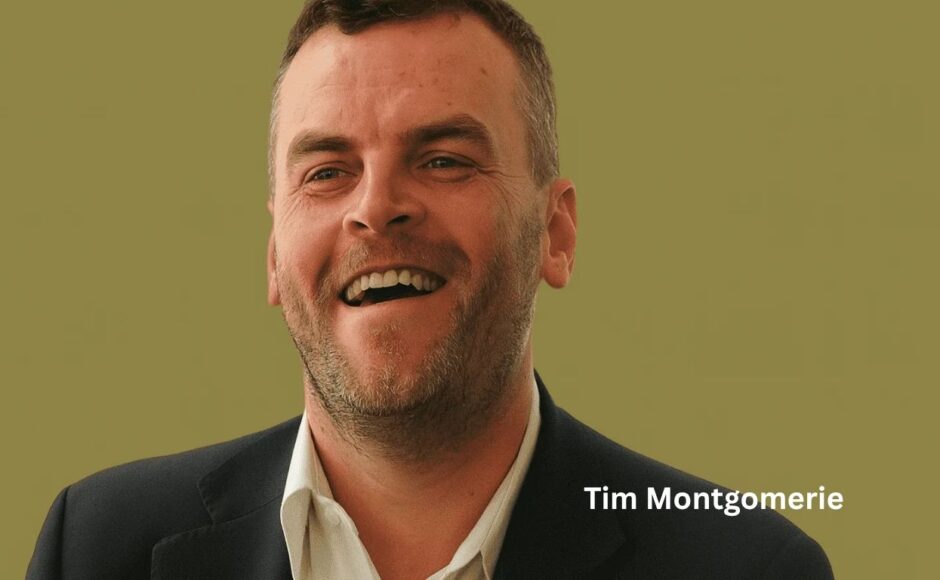
In British political circles, the name Tim Montgomerie often creates a mixture of admiration, debate and curiosity. Known as one of the most influential voices in modern British conservatism, Montgomerie has built a reputation through his political commentary, the creation of the influential website ConservativeHome, and his involvement in shaping conversations around social and political issues.
In recent years, online searches for “Tim Montgomerie health problems” have increased, leading to questions about his wellbeing. While some of this interest comes from genuine concern, some has also been fuelled by online speculation and unverified information shared through social media.
This article looks at the facts surrounding Tim Montgomerie’s health, particularly his own public discussions about mental health, while exploring his background, career, personal beliefs and life away from political debates. The aim is to separate confirmed information from rumours and provide a clear understanding of his journey.
Early Life and Education
Tim Montgomerie was born on 24 July 1970 in Barnstaple, Devon. He grew up in a military family, which meant that discipline, responsibility and public service were important parts of his early life.
Living in an Army household exposed him to values such as commitment, organisation and duty. These experiences later influenced his approach to politics and his understanding of leadership and social responsibility.
After completing his early education, Montgomerie attended the University of Exeter, where he studied Economics and Geography. During his university years, his interest in politics developed further. He became increasingly involved in discussions around public policy, social issues and political ideas.
His Christian faith also became an important part of his personal values during this period. It influenced his views on community, responsibility and the role politics can play in improving people’s lives.
Starting His Political Career
Tim Montgomerie began his political involvement while studying at university. In the early 1990s, he helped establish the Conservative Christian Fellowship (CCF), an organisation created to encourage discussion about Christian values and social responsibility within the Conservative Party.
Through this work, Montgomerie promoted the idea that conservative politics should not only focus on economic matters but should also consider wider social concerns, including poverty, family life and community support.
The organisation helped introduce him as a different type of political voice, combining traditional Conservative ideas with a stronger focus on social issues.
Founding ConservativeHome
One of the biggest achievements of Tim Montgomerie’s career came in 2005 when he launched ConservativeHome, a website dedicated to Conservative politics, political analysis and discussions among party members.
At a time when political blogging was becoming more influential, ConservativeHome quickly became an important source of opinion and debate within British politics. The website allowed Conservative supporters to share their views while providing analysis of political developments.
Montgomerie gained recognition for supporting Conservative principles while also questioning party decisions when he felt necessary. His independent approach helped ConservativeHome become a respected and sometimes controversial voice in Westminster discussions.
Work With the Centre for Social Justice
Alongside his work in political media, Montgomerie was also involved in establishing the Centre for Social Justice (CSJ) with Sir Iain Duncan Smith.
The organisation focuses on addressing major social challenges in Britain, including poverty, welfare issues, addiction and family breakdown. Through this work, Montgomerie supported the idea that political solutions should focus on practical ways to improve people’s lives.
His involvement strengthened his reputation as someone interested not only in political strategy but also in social reform and community issues.
Journalism and Media Career
As his public profile grew, Tim Montgomerie expanded his work into journalism and broadcasting. In 2013, he joined The Times as a comment editor, writing about politics, current affairs and public policy.
Over the years, he has contributed to different newspapers and appeared on television and radio programmes, including BBC News, Sky News and GB News. His commentary has covered major topics such as elections, Brexit, economic policy and changes within British politics.
His style of analysis, which often combines strong opinions with detailed discussion, has made him a recognisable figure in political media.
Tim Montgomerie’s Mental Health Discussions
A significant part of Tim Montgomerie’s public story involves his openness about mental health.
Following the COVID-19 pandemic, he spoke about experiencing depression and the emotional difficulties caused by periods of isolation and uncertainty. By discussing these experiences publicly, he encouraged more open conversations about mental wellbeing.
His honesty was welcomed by many people because it showed that mental health challenges can affect individuals from all backgrounds, including those in high-pressure careers.
By sharing his personal experiences, Montgomerie contributed to reducing the stigma surrounding depression and anxiety, especially among men who may find it difficult to talk about emotional struggles.
Examining the Health Rumours
Searches for “Tim Montgomerie health problems” have led to various online discussions and speculation. However, there is no reliable public information confirming that Tim Montgomerie has been diagnosed with any serious physical illness.
The health issues he has discussed publicly relate mainly to his mental wellbeing, particularly his experiences with depression during and after the pandemic. There are no confirmed reports suggesting that he has a long-term physical health condition.
Online rumours about public figures often develop because of changes in public appearances, reduced media activity or information being repeated without proper sources. In some cases, confusion may also happen because of similar names.
For example, Tim Montgomerie, the British political commentator, has sometimes been confused with Tim Montgomery, the former American sprinter, leading to inaccurate information being shared online.
Based on available information, Montgomerie’s publicly discussed health challenges are related to mental health rather than any confirmed physical condition.
Managing Public Pressure and Personal Wellbeing
A career in politics and journalism can involve constant pressure. Public criticism, demanding schedules and the fast pace of news can affect anyone working in these fields.
Tim Montgomerie has spoken about the importance of recognising personal limits and taking care of mental wellbeing. His approach reflects the idea that maintaining balance and seeking support when needed are important parts of staying healthy.
His Christian faith, personal relationships and community connections have also played a role in helping him manage difficult periods.
Rather than ignoring challenges, Montgomerie has encouraged honest conversations about personal struggles and the importance of resilience.
Changing Political Views
One of the major developments in Tim Montgomerie’s recent political journey was his decision to leave the Conservative Party and support Reform UK.
The decision attracted attention because of his long association with Conservative politics. Montgomerie explained that the move reflected changes in his political views and his belief that Reform UK better matched his priorities on issues such as national identity, culture and political change.
Some online discussions attempted to connect this decision with health concerns, but there is no evidence supporting those claims. His decision was explained as a political choice based on changing beliefs.
Faith and Personal Values
Faith has remained an important influence throughout Tim Montgomerie’s life. As a practising Christian, he has often highlighted values such as compassion, responsibility and integrity.
Although he keeps much of his private life away from public attention, he has spoken about how his beliefs provide guidance during challenging times.
His discussions about faith and mental health have added a more personal side to his public image, showing that political figures can also experience personal challenges.
Public Image and Reputation
Throughout his career, Tim Montgomerie has been viewed as an independent political thinker. Supporters respect his willingness to challenge traditional views, while critics have questioned some of his political changes and positions.
Despite differing opinions, he remains an important voice in British political discussion. His willingness to speak about difficult subjects, including mental health, has become an important part of his public identity.
Respecting Facts and Privacy
Public interest in the lives of well-known individuals is natural, but health discussions should always be based on confirmed information.
In Tim Montgomerie’s case, the available facts are clear. He has openly discussed his experiences with depression and mental health challenges, but there is no verified information that he has a serious physical illness.
Current Work and Influence
Tim Montgomerie continues to contribute to political discussions through writing, interviews, broadcasting and online commentary.
His work continues to focus on British politics, social issues and cultural debates. He remains involved in public conversations and continues to share his views on important national issues.
Final Thoughts
Tim Montgomerie’s story is not only about politics but also about personal honesty and resilience. While searches about “Tim Montgomerie health problems” have created curiosity, the confirmed information shows that his main public discussions about health relate to mental wellbeing.
From founding ConservativeHome to contributing to political journalism, Montgomerie has built a career based on strong opinions, independent thinking and public discussion.
His openness about mental health has added another important part to his story, reminding people that personal challenges can affect anyone and that honest conversations can help create greater understanding.